Blog / Conway Ford Service

Blog

All Conway Ford Service Conway Ford Dealer Conway SC Ford 2024 Ford Fun Activities Conway Used Cars Things to Do Food 2025 Ford Ford Explorer Ford Expedition Ford Trucks Myrtle Beach 2020 Ford 2020 Models 2022 Ford Attractions Ford Bronco 2021 Ford 2023 Ford Museum Riverwalk 2021 2021 Ford Bronco Ford F-150 Ford Service Ford Accessories Ford Escape Ice Cream Shops 2021 Ford EcoSport 2021 Ford Expedition 2021 Ford Explorer 2021 Ford F-150 2021 Ford Models Bakery Bistro Burger Restaurants Coffee coffee bar Ford Bronco Sport Ford Maverick Ford Mustang Ford Mustang Mach-E Ford Super Duty Golf Courses Seafood 2020 Ford Escape 2021 Ford Escape 2021 Ford F-250 2021 Ford Ranger 2022 Ford Edge 2025 Ford Bronco 2026 Ford Bronco 2026 Ford Bronco in Conway, SC 2026 Ford Bronco Models 2026 Ford F-250 2026 Ford F-250 at Conway Ford 2026 Ford F-250 in Conway, SC 2027 Ford Models Brewhouse Fish Ford F-150 Lariat® Ford F-150® XLT Ford Protect Extended Service Plan Ford Ranger Ford Technology Ford Transit Grill Gyros La Belle Amie Vineyard rustic roast seafood buffet Shrimp Tacos Theatre Vehicle Trade in
New tires

4 Signs Your Ford Needs New Tires

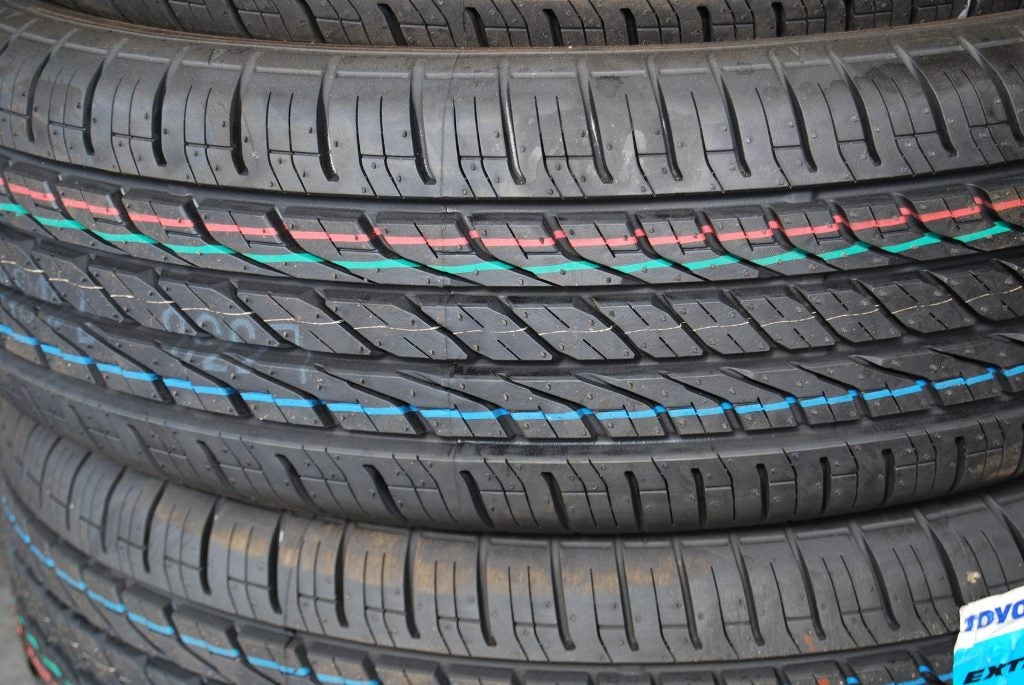
When looked after and rotated often, tires can last a good four to six years. If you've been using the same tires for this amount of time, keep an eye out for the first indications of tire trouble. The following problems mean it's time to visit your nearest Ford dealer for a set of new tires. Slow Punctures Needless to say, if you experience a puncture, you need to replace that tire. But not all punctures are obvious. Some are so small and well-hidden that you don't notice them until it's too late. If undetected, these slow punctures can lead to dangerous blowouts on the road. If you find that the pressure of one tire is always diminishing inexplicably, you might have a hidden puncture. This is why it's so important to check your tire pressure once or twice a month. While measuring the pressure, always examine the treads for any embedded bits of metal, which can also conceal a slow puncture. Low Tread Depth Tires require sufficient tread depth to grip the road. The tread depth of tires is usually around 10/32 to 12/32 of an inch when new. This tread depth steadily wears down over time. The laws of most states stipulate a minimum legal tread depth of 2/32 of an inch. There are no such laws in South Carolina, which leaves it down to the common sense of the driver. But it's unwise to drive with treads less than 2/32 of an inch. And on the icy roads of winter, anything under 5/32 of an inch has a greater risk of losing traction. Dried Out Rubber The oils and moisture trapped inside rubber gradually dry out over the years. This evaporating process is accelerated by the UV rays in direct sunlight and also by constant fluctuations in temperature. As they dry out, you'll first notice the rubber of your tire's sidewalls gaining myriad hairline cracks. This is harmless enough until the cracking becomes excessive. Once the cracks start to deepen and widen, consider having the tire changed out. Bubbles in the Rubber If a wheel hits an obstacle while driving or parking, the impact can damage the rubber compound, causing the tire to warp into a bubble or blister. Sometimes, the inner tubing can be punctured, causing air to seep out and become trapped in a visible surface bubble. Any such evidence of damage means the tire is structurally threatened. If in Doubt, Ask Your Local Ford Dealer It can be difficult to know when sidewall cracking is excessive or if a bump in the rubber is a dangerous blister. When you're unsure, you can always ask a technician at your local dealership, who'll be happy to help. Have your tires serviced or replaced at Conway Ford. We're an award-winning dealership dedicated to excellent vehicles and service.
Your_Quick_Guide_to_the_2021_Ford_Expedition_Conway_SC_Conway_Ford

Does Your Ford Need a New Catalytic Converter?

A catalytic converter, or cat as it's also called, is part of the exhaust system that converts harmful substances into safer emissions to reduce air pollution. When there's a problem with your Ford's converter, it will have a considerable impact on your vehicle's performance. The following symptoms will help you determine if your Escape, Explorer, or F-150 needs a new converter from your Ford dealer. The Check Engine Light Is On The gas levels in your car's exhaust are monitored by the air-fuel ratio and oxygen sensors. If these sensors detect that there's a problem with the converter and your car's exhaust gasses are not properly catalyzed, it will trigger the check engine light on your dashboard. You Smell a Sulfurous Odor Gas contains tiny amounts of sulfur which turns into hydrogen sulfide during combustion. The converter turns the hydrogen sulfide into sulfur dioxide, an odorless substance. When the cat is not working correctly, it will not convert the gas properly, and the unburnt fuel in the exhaust will give off a sulfurous odor that smells a lot like rotten eggs. Your Car Feels Slow and Idles Roughly Your car's converter is a metal canister with honeycomb mesh inside. Carbon buildup within the mesh or melting due to the heat from unburned fuel will cause a blockage inside the cat. A blocked converter restricts the exhaust flow and will cause your car to idle roughly and respond slowly when accelerating. Your Car Is Heavy On Gas Another symptom of a failing cat is high fuel consumption. When you step on the accelerator, your car will respond slowly but burn more gas. A blockage in the converter will reduce the airflow in the exhaust and cause your vehicle to burn more gas than is needed. You Hear Rattling Noises Due to age, damage, or excessive heat, the mesh inside the converter starts to break apart. The old or damaged converter will make rattling noises from under your car when your car's idling or driving. Your Car is Hard to Start and Stalls When you start hearing rattling noises, it's vital to replace the converter as soon as possible to prevent the deteriorating material from getting into the muffler. Once this happens, it will cause stalling and starting issues. A converter lasts approximately 100,000 miles or ten years. Following your Ford's recommended maintenance intervals will reduce the risk of converter problems and prolong the life of your car's cat. Call Conway Ford today to schedule a maintenance appointment. The qualified technicians will perform a thorough vehicle inspection and ensure that every system and component is working properly and your car is in top running condition.

Battery

3 Signs Your Ford May Need a New Car Battery

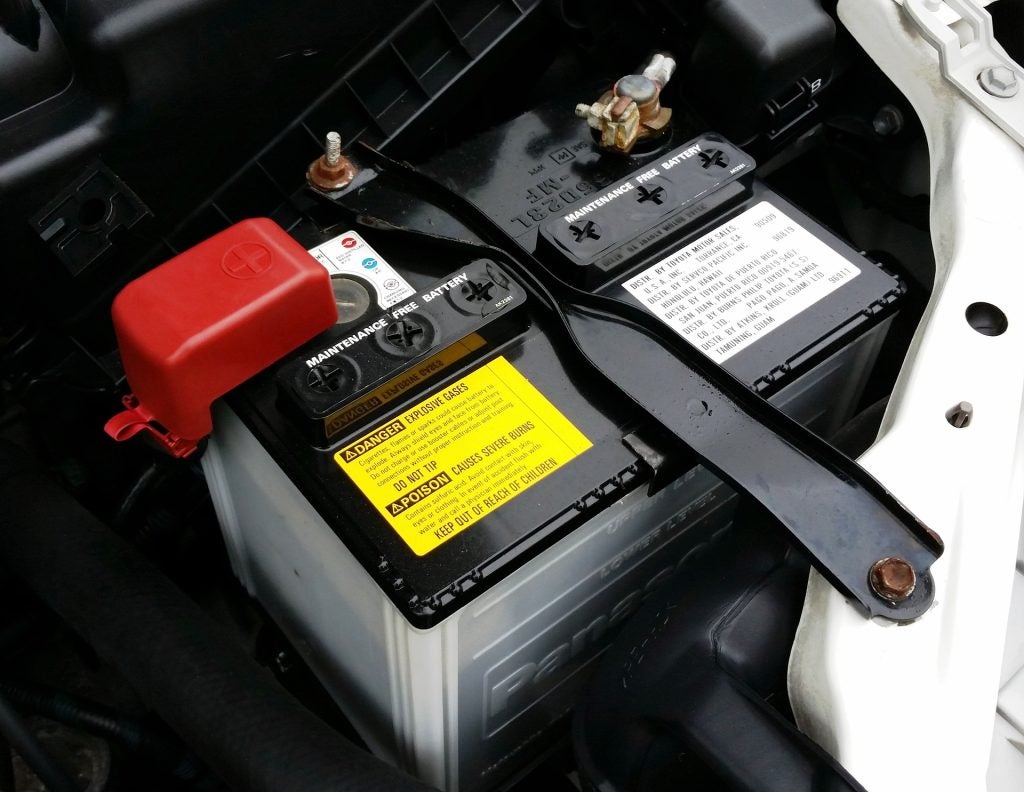
Your car's battery is essential, as short of a jump start, it's the only way to start your engine. The battery will fail in time, and you'll need a new car battery. As your Ford dealer in Conway, SC, we can easily fit a replacement for you when you need it. These are some signs that your battery could be failing. Your Battery Is Old A car battery has a limited lifespan. In the life of your car, you'll replace the battery every three to five years. This replacement is necessary as the chemical reactions that enable your battery to store and supply electricity will eventually destroy it. Your battery contains a variety of chemicals, including sulfuric acid. As time passes, sulfuric acid slowly breaks down. Sulfuric acid releases hydrogen gas as part of the breakdown process. Hydrogen can escape the battery casing and mix with other chemicals in the air. This will produce corrosion on the outside of the battery which further weakens it. If your battery is at least three years old, we advise having your battery checked to ensure it's still working correctly. If your battery fails our tests, we can replace it for you. Damaged Alternator As we've seen, your battery doesn't produce electricity: it just stores it. This power is used to start your engine and to maintain your car's electrical systems when the engine is switched off. The electricity used by the battery needs to be replaced, and that's where your alternator comes in. The alternator will recharge your battery as soon as the engine starts. A worn alternator, however, changes this situation dramatically. If your alternator is failing, it won't be able to provide enough power to recharge your battery. Each time the battery is used, less power will be available to recharge it. Your battery will soon run out of energy and fail. Our technicians can test your alternator and replace it with a new one to fix the problem. Distorted Battery Case A car battery is usually rectangular, but you can also get square batteries. Extreme heat and cold can cause problems with your battery's internal structure. Heat or cold can alter the electrolyte balance inside the battery, and pressure will build up inside it. Since your battery casing is sealed, these pressures can cause the battery casing to bulge out. If you pop the hood and your battery looks even slightly distorted, that battery has failed. A distorted battery can't be fixed, but we can replace it for you. A dead battery could leave you stranded. If you see any signs your battery is failing, call us right away at Conway Ford.

ford dealer

Is Your Car AC Not Working? Visit Your Ford Dealer Today

Your car AC not working during extremely high temperatures can make your driving sessions really unpleasant. To maintain a fun riding experience in your Ford, you need the air conditioner to perfectly perform its duty- provide cool air. Here are a few signs that tell you it's time to have your AC repaired by a qualified Ford dealer. 1. Lack of Cold Air If you notice that your AC is starting to lose its cool, there's a problem somewhere. You may have a clogged refrigerant line, a failed switch, a broken compressor, or a faulty blower motor, condenser, or evaporator. Only an expert can determine the culprit. Luckily, we have the right tools to sort out such issues. 2. Strange Noises Do you hear rattling sounds when your air conditioner is on? Your fan belt or condenser could be broken. There's also a chance it could be caused by an accumulation of debris in the fan. Weird noises coming from your car should never be ignored, as they might be an indication of a more serious problem. 3. Awful Smells Terrible odors coming from the dash vents, especially when you turn on the AC, usually indicate a troubling issue. A pungent smell may signify a mold or mildew problem caused by too much bacteria on your air conditioner's evaporator. A foul vinegar odor often comes from leaking battery acid or ozone excretions. Excess dust particles or a misplaced pulley may emit a burning rubber smell. Some of these unpleasant smells could cause respiratory allergies. Come to us, and we'll help you fix the problem. 4. Water on the Floorboards If there's a water leakage beneath the dashboard on your vehicle's floor, you may be having an issue with your AC system. This commonly occurs when the evaporator drain or vent hose is clogged with debris, and water formed through condensation in the evaporator unit has nowhere to drain. Such problems should be solved immediately, as they could lead to additional damage due to excessive accumulation and bacteria growth. 5. Airflow Issues A typical airflow will ensure your cabin has cold air, especially during hot conditions. You should be concerned when your air conditioner's airflow suddenly becomes weak or nonexistent. Some of the most common causes of this are a defective blower motor, blower motor switch, or resistor. Are you frustrated by the continuous strange behavior of your car's AC? Do you need a reputable car repair shop to call home? If so, feel free to stop by Conway Ford. We have factory-trained technicians who are always ready to fix whatever issues your Ford may have and ensure you're back on the road sooner than you'd think.

mechanic

3 Signs Your Ford Needs an Alternator Repair

Your Ford has numerous systems and devices that require electricity. The alternator produces electrical power for your car by converting mechanical energy into electrical energy. Alternators are robust components and have an average life of eight years. During this time, they can get damaged or worn out. When you need an alternator repair, your Ford dealer is here to help you. These are some of the possible signs that your alternator is failing. Damaged Rectifier When your crankshaft turns, its movement causes the alternator belt to run across the alternator pulley. The pulley spins due to the belt's movement, and the alternator spins in response. A bundle of magnets wrapped in copper wire inside the alternator generates magnetic energy as the alternator spins. This energy is captured by the stator and turned into electrical energy. The energy produced by your alternator is AC, and all of your car's systems and devices require DC. The rectifier converts AC to DC and supplies this power to your car. A damaged rectifier won't convert the electricity. If your car's systems don't receive DC, they will shut down immediately, and your car will stop. We can replace the rectifier to fix this problem. A Dead Battery If your battery is old and it suddenly dies, this is expected. A car battery will last up to five years, and then it must be replaced. Your battery, however, can be drained by a damaged alternator. The power your battery uses to sustain your car's electrical systems and to start your engine needs to e recharged by the alternator. A failing alternator may not produce enough power to do this. If your battery isn't constantly recharged by the alternator, it will grow steadily weaker and eventually die. Our technicians can test your alternator and replace it if it's wearing out. We can also test your battery and recharge it if it's not damaged. Broken Wiring The electricity produced by the alternator must be transported to all your car's systems. Miles of plastic and rubber-coated wiring wend through your engine to transmit this power. Wires are fragile, and they fray or break. A broken wire will cut off the power supply to its attached component. Your car's computer will record the loss of power and assign the alternator to supply more power. The power flow through the damaged wiring will cause it to heat up, and the wiring's insulation could catch fire. We can test the wiring and replace any broken or damaged sections. The alternator will always show warning signs that it's failing. If you suspect an alternator problem, call us right away at Conway Ford.

Oil Change

How Often Should You Get Your Ford Oil Change?

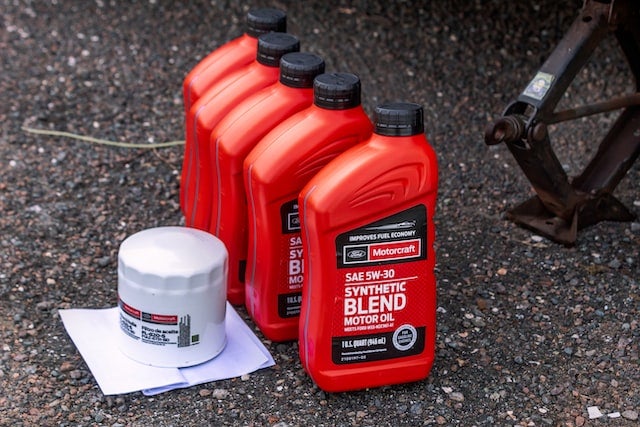
Has it been a while since your last Ford oil change? Regular oil changes are essential to prolonging the life of your engine, so if it's been a couple of months, you may find yourself wondering if it's time to schedule an appointment with us at Conway Ford. If you want to ensure that your Ford Escape will be ready to explore new destinations for miles to come, these are the factors you should consider: When Was Your Last Ford Oil Change? When you got your last oil change has a large impact on whether you need an oil change now. The general recommendation is that you should get an oil change every three to six months or every 5,000 miles, and this is particularly true for older cars. However, if you have a newer model, you'll likely be able to go a longer time in between oil changes, and should get an oil change every six months to a year or every 7,000 to 10,000 miles. Because the necessity of an oil change can be dependent on mileage, drivers who are on the road more may need more frequent oil changes. Drivers who are on the road less or have newer cars should remember that it is never recommended to get an oil change less often than annually. What Type of Oil Does Your Car Use? If your car uses conventional petroleum-based oil, you'll definitely need an oil change more often, and you'll get fewer miles between changes. If your car uses conventional oil, you'll likely need to visit us every 5,000 miles. However, new synthetic oils take longer to wear down and promise to keep your car going for up to 10,000 miles or a year, and if you have a newer car, it's likely that your car takes synthetic oil. Have You Checked Your Oil Life Indicator? Not all vehicles have an oil life indicator, but if yours does, you should certainly take advantage of it. The oil life indicator gauges how much dirt and debris has made it into your oil as well as how well the oil is lubricating the engine parts of your car. If your car has an oil life indicator, you'll probably find it on the dashboard, and when it drops to 15% or lower, you need to schedule service. When you should get an oil change is dependent on several factors, including the age of your car, the type of oil you use, how often you drive, and many other factors. If you need help determining when you should schedule your next oil change, a member of our team at Conway Ford would love to speak to you. Stop in at Conway Ford today or schedule a service appointment for an oil change right here on our website!

Collision repair for Ford

How to Find a Quality Collision Repair for Your Ford

No driver ever plans for an accident, but they can still happen. If your car is damaged, it's important to know we can restore your Ford to perfect shape and health. As your Ford dealer in Conway, SC, we have a dedicated collision repair center that specializes in Ford repairs. We'd like you to know more about how we can perform a high-quality repair on your car. How Your Ford Dealer Provides a Quality Collision Repair for You Arrival When you arrive with your car, we know that you're probably going to feel shaky and stressed. We'll get you a coffee and help you relax as we go through the check-in procedure. At the same time, one of our Ford-trained technicians will be completing a full assessment of your vehicle. We wash your car to ensure that the full extent of the damage is visible and that nothing is missed. Quotation Once our technician has completed the assessment, we'll view the report and video log. This information is used to create a repair plan to restore your Ford. We'll provide a quotation for the repairs based on our assessment. If you're arranging the repairs, we'll send it to you and await your instructions. If your insurance is arranging the repairs, we'll send the quotation to them. We're very experienced in working with insurance companies, and we'll provide your insurance with all the information they need. This helps to speed up the approval process, as we know you're looking forward to getting your Ford back ASAP. Repairs Once we receive approval from you or your insurance company, we'll put the repair plan into action. The exact steps vary, as the repair process depends on the extent of the damage. Our collision center can repair anything from minor paint chips or a replacement bumper to engine rebuilds and frame straightening. We only use genuine Ford parts in our repair process, as they provide the highest-quality finish and are designed specifically for your vehicle. Quality Assurance Once the repairs are completed, we perform a second inspection of the repair work. This inspection checks the standard of the repairs to confirm that they match the requirements for a Ford repair. As part of this series of tests, one of our technicians will take your car for a test drive to confirm that all systems are working perfectly. Collection Once all the checks are complete, your car will be thoroughly cleaned and ready for collection. Once you've confirmed that you're happy with the repairs, your Ford will be ready to go home. If you'd like to know more about our repair procedures or to arrange a repair, call our service department today at Conway Ford.

brake repair

Does Your Ford Need a Brake Repair? 3 Ways to Tell

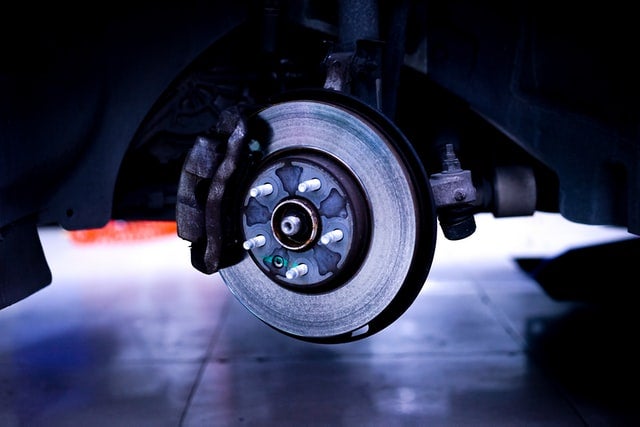
Good, working brakes are one of your Ford's most important safety features. They allow you to control your speed at any time. An accident can happen in a split second, but it can also be prevented by a fast response from your braking system. Over time, parts can wear out, and you'll need a brake repair. As your Ford dealer, we'd like to give some pointers about when you have a brake problem. Chemical Smell From the Brakes When you hit the brake pedal, brake fluid is forced into the brake hoses. This fluid is pressurized and provides the hydraulic force to make your brakes work. Brake fluid needs to be changed regularly according to your car service schedule. If the fluid isn't changed, it can start to develop problems as it ages. One possible problem for brake fluid is overheating. If you've been riding your brakes for a while, the pressurized fluid can grow hot. You'll smell a strange chemical odor from the hot fluid, and this is a sign that you need to pull over ASAP. Once your brakes have cooled, come in and see us. If the brake fluid gets too hot, it can boil. If the fluid boils, your brakes will fail. Soft Brake Pedal The brake pedal responds to pressure by providing resistance. The resistance is caused by pressurized brake fluid in the system. If, however, you step on the pedal and your foot goes almost to the floor, you have a serious problem. The lack of resistance means that your brakes aren't providing hydraulic pressure, and this makes braking difficult. Two possible causes of a soft pedal are an air bubble in the system or a lack of brake fluid. The brake system is a closed one, but air can creep into anywhere in time. An air bubble in the brake hoses will block the flow of brake fluid. A fluid leak will depressurize your braking system, and reduce the hydraulic pressure available to activate your brakes. Visual Inspection Most of your braking system is hidden from view, but you can still see some of the most active parts. If you kneel and look between the wheel spokes, you'll see the flat rotor behind the wheel, the claw-like calipers above the rotor, and the brake pads inside the rotor. The rotor should be smooth and flat, and the brake pads should be more than 1/4" thick. Any signs of visible damage to any of these parts mean you have a real or potential problem. To keep yourself safe, come in and get your brakes checked at Conway Ford today.

Ford

Does Your Ford Need a Transmission Repair?

Your Ford's transmission is an expertly crafted and highly complex piece of engineering. It takes the power of your engine and transfers it to your wheels. This transfer is completed through a series of gears of reducing size that allow your car to move at the desired speed. Although your transmission is strong, it can still suffer damage. When you need a transmission repair, your Ford dealer can help you. Slipping Gears Your Ford moves smoothly between gears due to the decisions of your transmission computer. This computer receives hundreds of pieces of information every second. It uses this information to determine your speed and the gear that needs to be used for that speed. Once the gear is chosen, it should only move when your transmission computer shifts it again. If you slip gears, your gear will suddenly shift to a previous gear without warning. If you have a manual transmission, the gears can shift directly into neutral. When the gears shift randomly, this places you in a dangerous situation. Without control over your gears, you don't have full control over your car. If this happens, we advise contagion our service department immediately so we can investigate the problem. Buzzing, Humming, and Clunking Any odd noise from your car is automatically a reason to worry. Your Ford doesn't normally make any noise aside from the faint sound of a finely-tuned engine. If your transmission has difficulties, it will make sounds that it's in distress. If you have an automatic transmission, you may hear a faint buzzing sound that will get louder over time. If this problem isn't resolved, the noise will change to an annoying humming noise. If you have a manual transmission, you'll hear harsher sounds like clunking coming from the transmission. The sound can be misleading, as manual transmissions make sounds as you shift gears. Clunking noises can also point to other engine problems. Our technicians will need to examine your transmission. Whether your transmission is automatic or manual, we can fix it for you. Burning Rubber Smell Your transmission is full of fluid that circulates throughout the transmission. This fluid serves several important functions. Firstly, the fluid provides hydraulic power to allow your gears to shift easily. Secondly, the fluid provides a friction barrier around the moving parts to protect them from friction damage. Thirdly, transmission fluid helps to cool the transmission. Transmission fluid needs to be changed regularly. In time, the fluid accumulates debris from your transmission, and it doesn't move as fast as it previously did. Old fluid also loses its heat-resistant properties. The old fluid can heat up in the transmission and start to burn. Burning fluid smells like burning rubber. If you smell this odor, it's time to call us right away. Most transmission problems can be relatively inexpensive to fix. The most important thing is to diagnose them ASAP. If you suspect you have a transmission problem, call our service department at Conway Ford.

Ford

3 Essential Services You Can Always Find at Your Conway Ford Dealership

Your Ford dealership in Conway, SC is here to provide you with all your Ford-related needs. Our award-winning dealership has been a feature of the community for many years, and we pride ourselves on our commitment to you and your Ford. These are some of the many services you'll find when you visit our friendly dealership. Cabin Air Filter Many drivers don't think about their cabin air filter, but it serves a vital function. When you're driving, you and your passengers need to breathe fresh, unpolluted air. It's a sad fact of life that air pollution is a serious problem. Even with reduced vehicle emissions and other proactive actions, pollution is a problem. The air contains pollen, dust, and other pollutants. Your air filter screens out these and other harmful substances, allowing you to breathe clean air. The filter, however, wears out as it works, and will need to be replaced. It's advisable to change your air filter every 15,000 to 30,000 miles. The exact time to change your filter is noted in your car's service schedule. When we replace your filter, you'll immediately notice the change in fresher, cleaner air. Tire Rotation Your tires take strain due to the weight of your car and the abrasion caused by moving over the road surface. Modern tires are stronger than ever, but they will still wear down over time. As a tire wears, its grip on the surface will become less sure and steady. To keep your tires in the best condition for as long as possible, it's important to have regular tire rotations. When we rotate your tires, we shift their positions to reduce wear. Each tire will suffer different wear, depending on their position on your car and the type of drive train you have. Our technicians will move tires from the positions of greater wear to positions of lesser wear. This movement allows each of your tires to wear down at a similar rate. Careful tire management like this will save you money by reducing the need for tire replacement. Collision Repair We hope that you won't be involved in an accident. Even the smallest accident can be a traumatic affair, and it means that your Ford has been damaged. We have a specialized repair team available for any collision repairs, and we can return your car to its previous pristine state. Our technicians can replace glass, windshields, and any other component. Our painting team will color-match the paint, and we can invisibly repair paint chips and minor scratches. Our repair work matches the high standard demanded by Ford. When our repair team has completed their work, your Ford will be perfect again. We have many other services available for you to ensure that your Ford is always kept in the best possible condition. For any Ford service, call our service department right away at Conway Ford. Our Ford-trained technicians can quickly service or repair any problem for you.

Ford mechanic

3 Reasons to Work With a Dealer-Trained Ford Mechanic

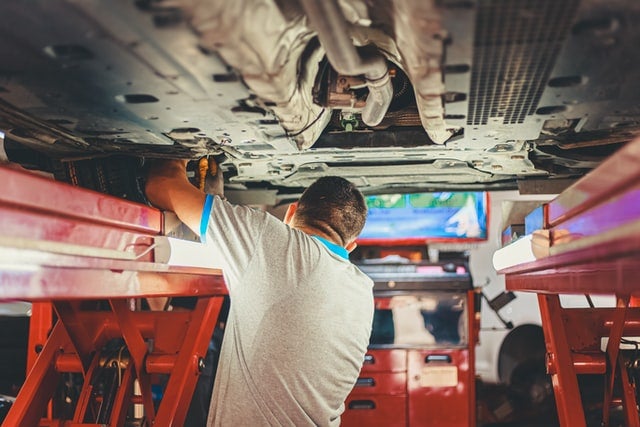
Taking good care of your Ford is essential because it preserves the vehicle, makes driving safer, and prevents breakdowns on the road. But where should you go for maintenance and repairs? Your local dealership-trained Ford mechanic and service center are almost always the best choice because they are Ford experts, they have been trained in customer service, and they will keep an accurate record of your service appointments. 1. The Mechanic Is a Ford Expert A general mechanic can work on a wide variety of cars, but they might not necessarily know all the specific features and requirements of Ford vehicles. In contrast, the dealership mechanic has been trained to work with this brand specifically. Before we hire a technician at Conway Ford, we make sure that they have examined and worked on every Ford model available, so they know the cars' specifications well. Because the service you receive at our center is so specialized, you can expect your Ford to be as good as new when we're done. Your dealership-trained mechanic will always use tools and spare parts that were designed for your model, so there's no chance of problems with the warranty. 2. The Mechanic Is Trained in Customer Service Just because a mechanic is good at fixing cars doesn't mean that they are the right person for you. While the quality of the work is crucial, customer service is just as important. When you work with a dealership mechanic, you can be sure that they have been trained to serve customers well. We offer a friendly service, a quick turnaround, and a fair pricing system to everyone. What's more, there is a warranty on each part we sell, so you don't have to worry about paying for the same repair twice. Should there be an issue related to the spare part or the workmanship, you can simply come back to the dealership and get your car fixed for free. 3. You Have a Record of Your Service Appointments It's a good idea to always see the same dealership-trained mechanic because they know your car and its needs. Whenever you come to see us, we can pull up a record of your previous appointments to see which maintenance tasks need to be completed on your Ford. This prevents unnecessary replacements and repairs and therefore makes the service more efficient. Additionally, having a record of your appointments proves that you have taken good care of your Ford, which is important when you're ready to sell the vehicle. You'll be able to get a much better price for it if you can show that you've maintained it according to the manufacturer's guidelines. Once you've purchased your Ford from the dealership, you'll need to return at least once a year to have it serviced and maintained. You should always choose a dealer-trained mechanic who has the education and tools to provide optimal service. Get in touch with us today at Conway Ford to book your first appointment with us. We will be happy to provide routine service, maintenance, and collision repair.

Ford Mechanic

3 Benefits of Working With a Dealer-Trained Ford Mechanic

Your Ford is an excellent vehicle, but even the best vehicles will eventually need repairs. Parts can wear or get damaged, and when that happens they must be correctly repaired. Trusting your car to a regular mechanic can't ensure the high standard that you and your car deserve. We'd like you to know some of the benefits of working with a Ford mechanic at your Ford dealership. Expertise All of our technicians are factory-trained by Ford. They also undergo regular training to have the most up-to-date information on all new makes and models. Our technicians specialize in Ford vehicles, and this gives them in-depth knowledge that a regular mechanic can never have. When your vehicle is serviced or repaired by a Ford technician, you know you're in safe hands. An additional benefit of their advanced knowledge is that our technicians can complete work easier and faster than a general mechanic. This is due to their familiarity with the complete range of Ford vehicles. This familiarity also allows them to spot potential problems that a regular mechanic might not notice. Your car is an important investment, and to protect that investment expert knowledge and workmanship are essential. Trust When you bring your vehicle into our service department, you're placing your trust in our dealership and our technicians. You're also placing your trust in Ford, the company that engineered and built your car. This trust is based on Ford's commitment to customer service, knowledge, and over 100 of Ford's history. As a Ford dealer, we subscribe to the same values as Ford and maintain identical high standards. Our technicians are part of a network of over 35,000 Ford technicians. Each technician is trained to the same high standard, and this builds trust. Our technician's reputation is built on advanced training, constant certification, and excellent customer service. Technicians at our dealership can not only fix any problem with your vehicle, but they explain any problem, and its solution, in ordinary, everyday language. This is important so you'll always understand what's wrong and how we'll fix it. Genuine Parts Our technicians will only use and fit genuine Ford parts. These parts are identical to the ones used to build your car. When your Ford was designed, the parts were precisely engineered. This ensures the best possible fit and function. Genuine parts have a warranty, and the repair work carries a warranty too. When genuine replacement parts are used, you can be sure of their standard and quality. Generic parts are a compromise, and we will never compromise on the level of service and safety we offer. As our expert technicians know, generic parts are not manufactured to the same high level. This means a generic part could fail you when you need it most. These are a few reasons to have repairs completed by people who value your car as much as you do. For any repairs, call our service department at Conway Ford.

Contact Us

Fill out this form below and we'll contact you shortly
*Required Fields