
Good, working brakes are one of your Ford's most important safety features. They allow you to control your speed at any time. An accident can happen in a split second, but it can also be prevented by a fast response from your braking system. Over time, parts can wear out, and you'll need a brake repair. As your Ford dealer, we'd like to give some pointers about when you have a brake problem.
Chemical Smell From the Brakes
When you hit the brake pedal, brake fluid is forced into the brake hoses. This fluid is pressurized and provides the hydraulic force to make your brakes work. Brake fluid needs to be changed regularly according to your car service schedule. If the fluid isn't changed, it can start to develop problems as it ages.
One possible problem for brake fluid is overheating. If you've been riding your brakes for a while, the pressurized fluid can grow hot. You'll smell a strange chemical odor from the hot fluid, and this is a sign that you need to pull over ASAP. Once your brakes have cooled, come in and see us. If the brake fluid gets too hot, it can boil. If the fluid boils, your brakes will fail.
Soft Brake Pedal
The brake pedal responds to pressure by providing resistance. The resistance is caused by pressurized brake fluid in the system. If, however, you step on the pedal and your foot goes almost to the floor, you have a serious problem. The lack of resistance means that your brakes aren't providing hydraulic pressure, and this makes braking difficult.
Two possible causes of a soft pedal are an air bubble in the system or a lack of brake fluid. The brake system is a closed one, but air can creep into anywhere in time. An air bubble in the brake hoses will block the flow of brake fluid. A fluid leak will depressurize your braking system, and reduce the hydraulic pressure available to activate your brakes.
Visual Inspection
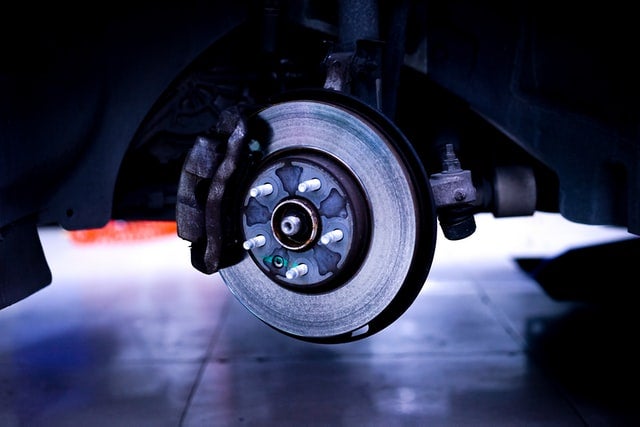
Most of your braking system is hidden from view, but you can still see some of the most active parts. If you kneel and look between the wheel spokes, you'll see the flat rotor behind the wheel, the claw-like calipers above the rotor, and the brake pads inside the rotor.
The rotor should be smooth and flat, and the brake pads should be more than 1/4" thick. Any signs of visible damage to any of these parts mean you have a real or potential problem.
To keep yourself safe, come in and get your brakes checked at Conway Ford today.