
Blog / Conway Ford Service

Blog

All Conway Ford Service Conway Ford Dealer Conway SC Ford 2024 Ford Fun Activities Conway Used Cars Things to Do Food 2025 Ford Ford Explorer Ford Expedition Ford Trucks Myrtle Beach 2020 Ford 2020 Models 2022 Ford Attractions Ford Bronco 2021 Ford 2023 Ford Museum Riverwalk 2021 2021 Ford Bronco Ford F-150 Ford Service Ford Accessories Ford Escape Ice Cream Shops 2021 Ford EcoSport 2021 Ford Expedition 2021 Ford Explorer 2021 Ford F-150 2021 Ford Models Bakery Bistro Burger Restaurants Coffee coffee bar Ford Bronco Sport Ford Maverick Ford Mustang Ford Mustang Mach-E Ford Super Duty Golf Courses Seafood 2020 Ford Escape 2021 Ford Escape 2021 Ford F-250 2021 Ford Ranger 2022 Ford Edge 2025 Ford Bronco 2026 Ford Bronco 2026 Ford Bronco in Conway, SC 2026 Ford Bronco Models 2026 Ford F-250 2026 Ford F-250 at Conway Ford 2026 Ford F-250 in Conway, SC 2027 Ford Models Brewhouse Fish Ford F-150 Lariat® Ford F-150® XLT Ford Protect Extended Service Plan Ford Ranger Ford Technology Ford Transit Grill Gyros La Belle Amie Vineyard rustic roast seafood buffet Shrimp Tacos Theatre Vehicle Trade in
Standard Warranty

Six Things That Are Covered Under Ford's Standard Warranty

If you want to ensure your car lasts as long as possible, you should learn about the warranty that comes with your new Ford. With your factory vehicle protection plans, you can reduce the cost of vehicle repairs at your Ford dealer. 1. Mechanical and Electrical Components All new Ford vehicles come with bumper-to-bumper coverage for three years or 36,000 miles. Bumper-to-bumper coverage essentially covers all the mechanical and electrical parts of your vehicle that are not covered by other plans. There are only a few exclusions for this plan, such as wear and tear items like windshield wipers and motor oil. 2. Powertrain The powertrain is the heart of your car and coverage for your powertrain will often include specific components of your engine, axles, wheels, and drivetrain. Ford powertrain coverage lasts for five years or 60,000 miles for new vehicles. 3. Diesel Engine Diesel engines have a few particular features that require special coverage. Under this vehicle protection plan, parts of your diesel engine that are covered include direct injection engines, gaskets, seals, sensors, and water pumps. This coverage lasts for five years or 100,000 miles, whichever comes first. 4. Corrosion Corrosion coverage is designed to protect you from the cost of vehicle repairs if the metal panels and aluminum parts of your vehicle's body are damaged by rust or corrosion. This plan lasts for five years with unlimited miles. 5. Safety Restraint The safety restraints in your vehicle, such as seat belts, are also covered by Ford. This particular coverage will last for five years or up to 60,000 miles. Coverage for the safety restraint components of your vehicle is a unique offering from Ford so your vehicle can maintain the highest level of safety possible. 6. Hybrid Components Finally, if you purchase a hybrid Ford, you will also have the benefit of coverage for all hybrid and related components for your vehicle. Specifically, this coverage should protect your hybrid battery, hybrid motor, regenerative braking system, and other components related to the hybrid elements of your vehicle. This coverage will last for eight years or up to 80,000 miles. Should You Talk to Your Ford Dealer About an Extended Vehicle Protection Plan? While the factory coverage for your Ford vehicle is generous, it might be a good idea to consider purchasing extended vehicle protection.  These plans can extend the coverage of your vehicle protection for several more years so you can have continued peace of mind. It's best to wait for your factory coverage to expire before you purchase additional coverage so you can get the most out of your vehicle protection plan. A vehicle protection plan can protect you from the cost of unexpected vehicle repairs. To learn more about your vehicle protection options, call Conway Ford today.

3 Ford Vehicles With Excellent Fuel Efficiency

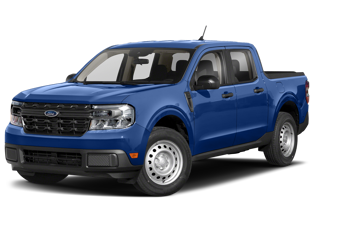
Over the years, Ford has strived to develop numerous fuel-saving technologies, such as plug-in hybrid powertrains and engine auto start/stop. Along with impressive fuel efficiency ratings, the Dearborn automaker's lineup continues to offer powerful performance and great versatility. Here are a few examples that you can find at your local Ford dealer! 1. 2024 Ford Maverick Thanks to its available 191-hp hybrid powerplant, which consists of an electric motor and a 2.5L inline-4 engine, the Maverick is one of the most efficient compact pickups on the market with an EPA rating of 37 MPG combined. Buyers in need of more muscle may opt for the 250-hp 2.0L turbo inline-4, achieving a highway fuel economy of 29 MPG. While the hybrid features a continuously variable transmission, turbocharged models pair with an 8-speed automatic. All Mavericks can be equipped with an intelligent all-wheel drive system that maximizes grip in tricky conditions. Adding the 4K Tow Package allows the truck to tow up to 4,000 pounds. With roomy seating for five, the Maverick can double as a comfortable family vehicle. A handy storage compartment can be found under the rear seats. 2. 2024 Ford Escape This sleek compact crossover is powered by a turbocharged 1.5L inline-4 that generates 180 hp and 199 lb-ft of torque. The motor pairs with an 8-speed automatic transmission to achieve brisk acceleration and a fuel economy of up to 34 MPG highway. For even more fuel savings, buyers can select the 192-hp 2.5L hybrid or the 210-hp 2.5L plug-in hybrid. The EPA estimates a respective 39 MPG combined and 101 MPGe combined for these engines. Inside the Escape is a cabin sporting a sophisticated design and generous passenger space that includes up to 40.7 inches of rear legroom. Dual-zone automatic climate control, an 8-way power driver's seat, and an 8-inch Sync 4 touchscreen infotainment system featuring wireless smartphone integration and a 4G LTE Wi-Fi hotspot are all standard. 3. 2024 Ford Edge The mid-sized Edge SUV boasts incredible power and efficiency from its standard 2.0L turbo inline-4. In fact, this robust motor can pump out 250 hp and 280 lb-ft while earning up to 28 MPG highway. Even the performance-oriented ST model's 335-hp 2.7L twin-turbocharged V6 keeps fuel costs low with its EPA rating of 25 MPG highway. A fully independent suspension with stabilizer bars results in precise handling and minimal body roll. Passengers in both rows will be able to enjoy over 40 inches of legroom and headroom. The Titanium model offers luxuries like ambient lighting, heating and cooling for the front seats, and plush ActiveX upholstery. 60/40 split-folding seats can be folded down to provide nearly 74 cubic feet of cargo space. When you need excellent gas mileage to go with strong capability, you can't go wrong with a Ford! Visit Conway Ford today, where you can find these vehicles and more!

How Often Should You Replace Your Ford's Spark Plugs?

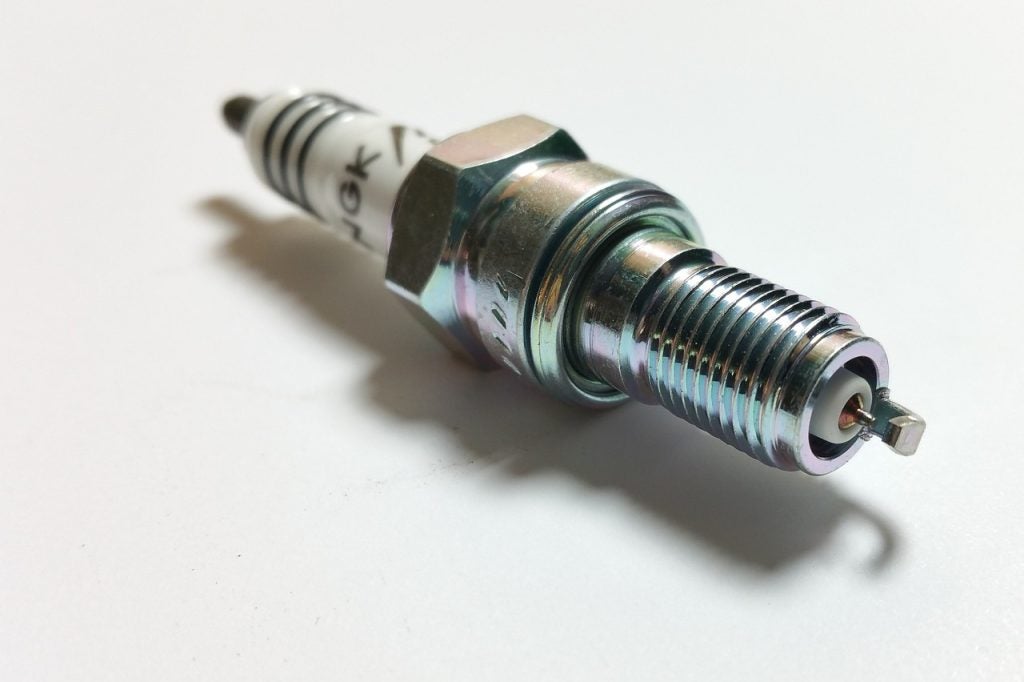
For such a small part, spark plugs play a big role in getting and keeping your car running. By converting the electrical charge into a spark, they perform an essential role in the combustion cycle in your engine's cylinder. But over time they function less effectively, and become coated in carbon, oil, and fuel. Read on for our guide to when you should contact your Ford dealer for a replacement. Mileage It's usage, rather than time, that makes your plugs less effective. So rather than using months to measure the interval between replacements, aim to use miles. Technological advancements mean that their lifespan has lengthened, and they can last for about 100,000 miles. However, "severe" use may mean that you need to have them replaced after 60,000 miles. Usage "Severe" usage that shortens the lifespan of your plugs includes: Driving on hilly or rough roads Extremely cold or hot temperatures Towing heavy loads Long periods where the engine is idling. If you know that your car frequently drives in conditions that put the plugs under pressure, and you stay alert to your mileage since their last change, you'll have a rough idea of when they might begin to undermine your car's overall performance. Starting Problems Struggling plugs can put a strain on other engine components, so staying alert to any sign of problems is better for the overall health of your car. One of these might be that your engine "coughs" at ignition, and tries to fire without starting. It may take a few attempts before it starts running. If you notice this happening, it could be time to look into a replacement. Running Problems A reliable spark from the plug is also necessary to keep the combustion cycle running smoothly. One tell-tale sign of trouble is juddering, vibrating, or louder noises when the car is stationery and the engine is idling. Plug problems can also cause engine misfires when driving. You might feel as though the engine misses a beat during the drive, or notice shuddering and small popping noises. Another symptom is poor fuel economy. Misfiring plugs allow unburnt fuel to escape into the exhaust system and go to waste, and they make your emissions more harmful to the environment. If you notice that you're spending more at the gas pump, or that your mileage per gallon is dropping, it could be time to get the spark back. Misfires and hard starts will put pressure on other engine parts and undermine their performance, so it's important to tackle plug problems straight away. But the good news is that they're an inexpensive and relatively easy fix. But whatever your maintenance needs, be sure to schedule an appointment at Conway Ford and allow our expert team to keep your vehicle running perfectly.

Get_to_Know_the_New_2021_Ford_Bronco_Conway_SC_Conway_Ford

New or Used? 5 Things to Consider When Buying Your Next Ford

When it's time to buy a car, one of the first decisions you'll need to make is whether to go for a brand-new model or opt for a pre-owned vehicle. Can't decide between new or used cars at the Ford dealership? Here are some essential things to consider. 1. Depreciation The moment a new car drives off the lot, it begins to depreciate. You can expect a significant drop in value within the first year. A used car, on the other hand, has already gone through its initial depreciation, which means it should hold its value better. Plus, used cars are cheaper. You might be able to purchase a car with a higher trim level for the same price as a base model new car. 2. Budget Constraints Your budget is one of the most important factors in your decision. A new car will generally cost more, but Ford often offers financing deals, rebates, or incentives that could make a new vehicle more affordable. On the other hand, a used Ford will have a lower purchase price, which could help you avoid taking out a large loan or paying hefty monthly installments. 3. Warranty and Peace of Mind New Fords come with a manufacturer's warranty, covering you or any defects or issues for an extended period. With a used Ford, the original warranty might have expired by the time you purchase it. However, certified pre-owned (CPO) Fords come with extended warranties that can offer a compromise between new-car assurance and used-car savings. 4. Insurance Costs Insurance premiums for new cars are typically higher since they have a higher value and, therefore, would cost more to replace in the event of an accident. Used cars can often be cheaper to insure, but you'll need to get a quote from your insurance company to see how much you can save. 5. Technology and Features If you're someone who loves the latest tech and newest features, a new Ford will be equipped with the most up-to-date advancements in safety, efficiency, and connectivity. Used cars might lack some modern bells and whistles, so you should consider which features are the most important to you. Visit Your Ford Dealership to Learn More If you're still not convinced, a visit to the local dealership might be able to help you decide. Browsing the inventory of new and used cars that are available can be one way to choose the car that is right for you. When weighing the pros and cons, remember that there's no one-size-fits-all answer. Whichever route you choose, take your time to research, test drive, and ensure that your next Ford fits both your lifestyle and your budget. Visit Conway Ford and browse our inventory today!

How Often Should Your Ford Get an Oil Change?

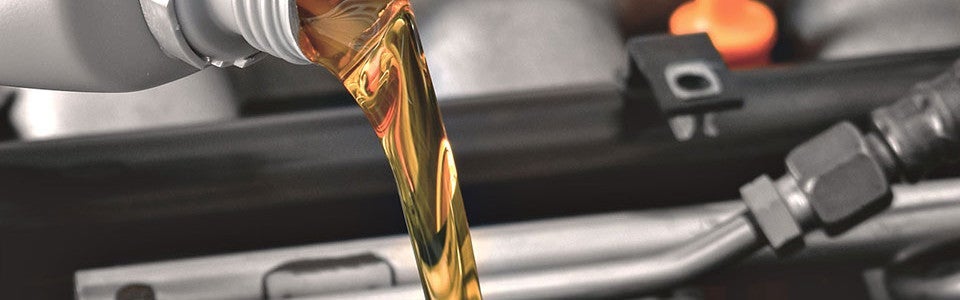
Oil keeps your Ford running smoothly by lubricating the engine and reducing friction and wear. For your engine to work optimally, you should get a regular oil change at your Ford dealer. But what's the right frequency for this service? Let's discuss how often you should change your Ford's engine oil at the dealership. For slightly older Ford vehicles, drivers need to change the oil every 5,000 to 7,500 miles or as recommended in the owner's manual. Modern Ford cars have an Intelligent Oil-Life Monitor (IOLM) that calculates the right intervals for getting new oil. The monitor assesses how the vehicle is driven, engine temperature, RPM, mileage, and idle time to determine an optimal service interval. Whether you have an older or newer Ford model, you shouldn't always wait for the recommended service interval to lapse. Watch out for other signs that indicate you may be due for an oil service. How to Tell You're Due for Fresh Engine Oil Grainy or Lumpy Oil Over time, contaminants from combustion and friction accumulate in the oil and give it a gritty or lumpy texture. The oil also changes color and becomes darker. In this state, the oil loses its ability to properly coat and lubricate the engine components. You should drain and refill the oil to remove the built-up debris and restore proper engine lubrication. Low Oil Level It's normal for some oil to burn off during engine operation, causing the level to drop slightly. If the oil level falls below the minimum mark on the dipstick, it means it is being consumed too quickly due to a leak or other engine issues. Visit your dealer for an oil service, so the technicians can change the oil and inspect the system for leaks. Unusual Engine Noises Contaminated oil allows the metal components in the engine to grind against each other. This causes unusual noises in the engine, like squeaking, rattling, and knocking. If you hear these sounds, drain the old oil and refill the system to provide proper lubrication and prevent excess friction. Should You Top Up or Change Engine Oil? Note that topping up engine oil isn't the same as changing it. While topping up oil may seem easy and effective, it just dilutes the old, dirty oil instead of cleaning out the contaminants. Over time, top-ups allow abrasive particles and contaminants to accumulate to dangerous levels. Changing your oil at regular intervals is recommended because it involves draining out the old oil completely. This leaves the system free of contaminants and debris. After the service, you drive off with 100% clean, fresh oil, which optimizes engine health and improves performance. To keep your Ford running at peak performance, be diligent about changing the oil regularly as needed. Contact Conway Ford to schedule a comprehensive oil service for your vehicle.

Faulty Ignition Coil? Visit Your Ford Dealer Today

When a car's engine starts to misfire and lose power, it usually means that the spark plugs are having trouble igniting the fuel. One common cause for a faltering spark plug is a faulty ignition coil failing to deliver the necessary high-voltage electrical charge. Let's look in more detail at the various symptoms of a bad ignition coil, any of which should prompt you to visit your local Ford dealer for repairs. Misfiring Engine Cylinders Ignition coils generate powerful surges of electrical voltage for the spark plugs, allowing the plugs to consistently ignite the fuel-air mixture inside the engine's cylinders. If one or more of your ignition coils fail, the corresponding spark plugs will no longer be able to do their job. The result is misfiring cylinders, which usually makes the engine cough, sputter, and jolt erratically. Plummeting Engine Power While one or more of your engine's cylinders are misfiring, the overall engine power will drop. You'll find it suddenly more difficult to accelerate, which can be dangerous when you need a burst ofspeed,d such as when overtaking another car or crossing an intersection. Trouble Starting the Engine In the mornings, when you first start your car's engine, the spark plugs need a reliable surge of electrical power. But if you have a faulty coil, this charge may fail to come. At the least, you'll find it harder to start your engine. At worst, you may not be able to start your car at all. Diminishing Gas Mileage Your fuel economy will also steadily decline when you have a bad ignition coil. This is because the spark plugs won't be igniting the fuel as efficiently. Your engine may also try to compensate for the misfiring by injecting more fuel than usual, which will only lead to worsening fuel efficiency. Backfiring and Black Smoke As a bad coil leads to a misfiring spark plug, an excess of fuel will start to build up inside the combustion chamber. This excess of fuel can sometimes ignite just as the chamber is opening, which creates a loud backfire. The excess fuel can also start to leak back into the exhaust system. Inside the enormous heat of the exhaust pipes, this fuel can then ignite or partially ignite, causing further backfiring and black smoke to pour from your tailpipe. Blinking Check Engine Light The various engine problems caused by a malfunctioning ignition coil will soon be detected by your car's sensors. You'll then see the check engine light appear on your dashboard, letting you know it's time to visit a technician. Have your ignition coils repaired or replaced today at Conway Ford. We provide a local one-stop shop for all your car-related purchasing and servicing needs.

new headlights

Time for New Headlights? Visit Your Ford Dealer Today

Whichever type of headlights your car has, you'll occasionally need to change the bulbs. How frequently you need new headlights largely depends on what type of bulb you're using. Let's look at how long each type of headlight bulb typically lasts and also how to know when it's time to visit your nearest Ford dealer for replacements. Halogen Bulbs Last 500 to 1,000 Hours Traditional halogen bulbs with tungsten filaments are still in popular use today, despite their relatively poor longevity. Halogen bulbs won't often last more than 1,000 hours of usage and might fail after just 500 hours. Toward the end of their lifespans, halogen bulbs might also lose up to 80% of their brightness, which is dangerously little light to drive with after dark. HID Bulbs Last 5,000 Hours on Average High-intensity discharge (HID) bulbs have a much better average lifespan of around 5,000 hours, although an HID bulb may last as much as 10,000 hours or as little as 2,000 hours. HID bulbs also tend to degrade less than halogen bulbs as they age, losing only 40% or 50% of their brightness. LED Bulbs Can Last Up to 50,000 Hours The brightest and longest-lived of all headlight bulbs are light-emitting diode (LED) bulbs, which can sometimes last as long as 50,000 hours of usage, which might surpass the lifespan of some cars. On top of this, LED bulbs only lose about 20% of their brightness before the end. Find Out Which Type of Bulb Your Car Uses It pays to know which type of headlights your car is using. You can then predict how often you'll need new bulbs. If you're unsure which type your car has, you can find out by facing your car to a garage door and turning on the headlights. Yellow light usually means halogen bulbs, whereas white light is cast by HID or LED bulbs. When first turned on, a few flickering flashes before the light becomes steady typically indicates HID bulbs, whereas LED bulbs shine with instant full power. You can also check your owner's manual for the bulb type or ask at your local dealership. Signs Your Headlight Bulbs Need Replacing Dimming light is a common warning sign that one or more of your headlight bulbs is fading, but dimness can also result from dirty or hazed headlight lenses, so inspect your lenses before buying new bulbs. Flickering light may also preempt bulb failure, although flickering can also be caused by underlying electrical issues. If just one of your high or low-beam bulbs fails, it's best to replace both in the pair, as the second one is rarely far behind. Have your headlights repaired or replaced today at Conway Ford. Our full-service dealership provides a one-stop shop for all things Ford in Conway and the surrounding region.

tires

5 Benefits of Getting a Tire Rotation for Your Ford

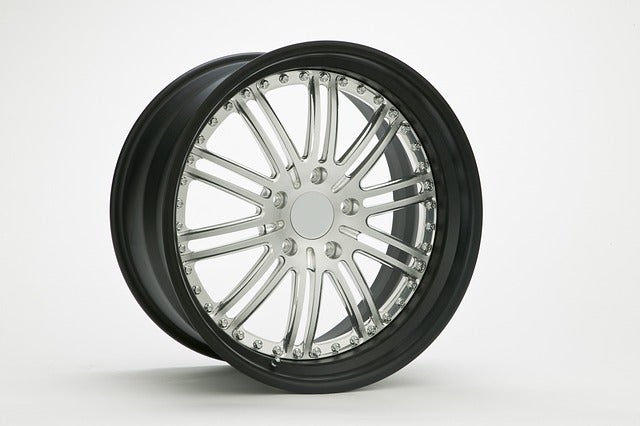
Most Ford vehicles should have their tires rotated every 5,000 to 7,500 miles, although you should always check the recommended interval for your model. The benefits of regularly rotating your tires are numerous. Let's take a look at why you should never miss a scheduled tire rotation at your local Ford dealership. Replace Tires Less Frequently Car tires inevitably wear unevenly because the pressure and functions of each tire are different. For instance, tires at the front of the car usually support more weight and rear-wheel-drive cars put more pressure on the rear tires when accelerating, braking, and turning. If you don't rotate your tires, the tires under more pressure will wear down significantly faster than the others. When any of your tires become too worn out, you'll need to replace all four. By rotating your tires, you slow down the overall wear and thereby help the entire set last longer. In fact, regular rotation can increase the lifespan of tires by 15% to 20%. Maintain Better Traction When tread depth is kept uniform across all four tires, your car has better traction on all road surfaces. This improves your brake stopping distances, enhances acceleration, and allows you to drive on wet or icy surfaces more safely. Bear in mind that even if three of your tires have deep treads and strong traction, all it takes is one worn-down tire to cause a dangerous skid. Improve Overall Handling When one or two tires are allowed to wear down faster than the others, you'll feel the overall handling of your car diminish. Uneven tires create a bumpier ride and make steering less precise. With regular rotation, you maintain optimal smoothness and control, which makes driving both more enjoyable and safer. Protect Connected Components The various parts of your car are closely interconnected and if a problem develops in one part, it can rapidly cause misalignment and problems in the connected components as well. When tires become uneven, this puts unnatural strain on the wheels, axles, wheel bearings, suspension, and brakes, all of which may start to experience problems. Therefore, regular rotation keeps your entire car in better shape. Prevent Tread Cupping Uneven tire wear can cause a problem known as tread cupping. This is where random patches of a tire's treads become worn, resulting in strange rumbling sounds when driving and rougher handling at lower speeds. With extensive tread cupping, your steering wheel may even start to shake. Regular rotation reduces your chances of ever experiencing this problem. Have your tires rotated today by experienced technicians at Conway Ford. We have an excellent selection of new and pre-owned vehicles and courteous, knowledgeable staff on hand to help resolve your car-related needs.

Does Your Ford Need a New Car Air Filter?

A car air filter plays a crucial role in keeping harmful debris and contaminants away from your Ford's engine. Over time, the air filter gets dirty and clogged, negatively impacting your vehicle's performance. To avoid any potential damage and ensure your Bronco, Edge, or Ranger's engine runs smoothly, take your car to your Ford dealership for an air filter replacement when you experience any of the following warnings. The Filter Is Dirty When new, an air filter appears white, but over time, it starts to get dirty due to the accumulation of dust and dirt as it continues to keep the air clean. Eventually, the filter turns brown or black, gets clogged, and can't prevent contaminants from reaching the engine, causing all sorts of issues. Illuminated Check Engine Light If you notice your engine light is on, it could be a clogged air filter, causing deposits to build up on your engine, leading to damage. Your Ford technician will replace the filter with a proper Motorcraft air filter that is extremely heat resistant, has leak-proof polyurethane seals, and has a higher capacity for preventing dust and dirt from reaching your engine. Reduced Fuel Efficiency The air filter needs replacing if you have to refuel more often than usual. A dirty or clogged air filter will restrict airflow, causing your engine to use more gas to compensate for the lack of oxygen. Changing the filter will save you money on gas and keep your engine running smoothly. Loss of Power When your car's air filter is blocked, it doesn't allow enough clean air to reach the engine, resulting in poor performance. You may notice sluggish acceleration and a lack of power. Replacing your air filter at your dealership at the recommended intervals is essential to protect your engine. Strange Engine Sounds and Shaking and Vibrating If your car shakes and vibrates while coughing sounds come from under the hood, the air filter is clogged. You may also hear popping and sputtering due to the restricted airflow to the combustion chamber. Rough idling, Hard Starts, and Misfiring If your car is idling roughly or difficult to start, it could be due to a dirty or clogged air filter. A filthy air filter will prevent clean airflow, causing an increase in unburned fuel that will turn into a soot residue, fouling the spark plugs and preventing a proper spark. Your car will idle roughly, misfire, and you will struggle to get it going. Black Exhaust Smoke If you see black smoke pouring out of your exhaust, the fuel is not being burned correctly, caused by an improper air-fuel mixture resulting from a dirty air filter. Ask your Ford technician to replace the air filter to address the issue. Ford recommends replacing the air filter every 15,000 to 30,000 miles, depending on your model. If you drive your Ford on dirt roads in dusty conditions, it's recommended that you replace the filter more often. If you suspect your air filter needs replacing, visit Conway Ford today, and the qualified technicians will fit a factory-approved Motorcraft air filter specifically designed for your vehicle.

Brake pads

How Often Should You Replace Your Ford's Brake Pads?

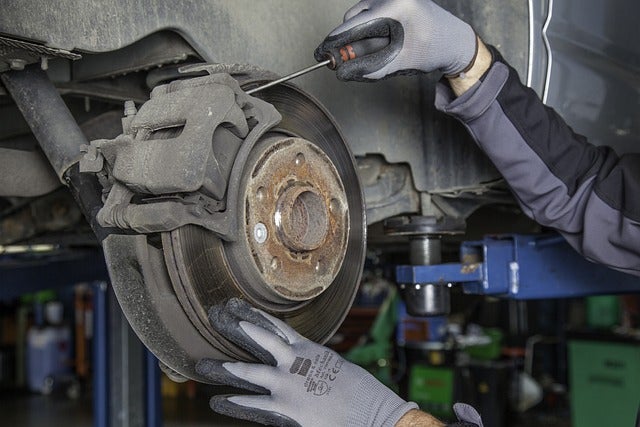
Modern vehicles have an incredible array of sophisticated, high-tech safety features. But to this day, the most important safety feature in any car remains the simple mechanical function of a brake pad. Every time you press the brake pedal, your brake pads clamp onto the rotors, slowing and stopping your car. So if you ever notice the following signs of a worn-out brake pad, don't hesitate to visit your local Ford dealer for a replacement. Brake Warning Light Your Ford has many sensitive sensor modules connected to the braking mechanisms. So if your pads or any other braking component develops a problem, the brake warning light will come alive on your dashboard. It's safest never to ignore this light; have a technician take a look right away. Squeaking or Scraping Sounds A brake pad is formed of a metal frame and an upper friction layer. This friction layer wears down a tiny bit more every time the pad is used. These days, pads have little "wear indicator" tabs inside the friction layer. When a brake pad wears too thin and is almost worn out, the tab is uncovered, creating a persistent squeaking or scraping sound. So if you hear this noise, you know it's time for at least one new brake pad. Grinding Sounds of Metal on Metal If for some reason one of your pads failed to emit the high-pitched warning sound, then the friction layer will eventually wear away entirely. At this point, you'll hear metal grinding directly on metal, and you might lose some stopping power as well. Pulling to One Side When Braking If something goes wrong with one brake pad, you'll probably lose a degree of braking force on one side of your car. This may cause your car to pull slightly to one side when you brake. The problematic brake pad will be on the opposite side of your car to the direction in which you veer. Unresponsive Brakes One great danger with braking mechanisms is the risk of overheating. When driving continuously in heavy stop-and-go traffic, it's possible for brakes to reach extremely high temperatures. When overheating, the resin in the friction layer of a brake pad can start to melt, causing it to lose traction on the rotor disc. This loss of traction can temporarily make your brakes less responsive. If you ever experience a loss of stopping power in this way, pull over and allow your brakes to cool down. Even if they return to normal function after that, it's best to have a technician take a look in case the melting has irreparably damaged your pads. Have Frequent Brake Servicing at Your Local Ford Dealer Good brake maintenance requires brake servicing at least twice a year. While servicing your brakes, the technician will examine each brake pad and let you know how much longer they're likely to last. This helps ensure that a failing pad never takes you by surprise. Have your pads inspected today by experienced professionals at Conway Ford. We're an award-winning full-service dealership and a local one-stop shop for all things Ford.

Conway Ford

3 Electrical Problems You Should Get Fixed at Your Conway Ford Dealer

Electrical problems can stress any driver. They seem to appear out of nowhere and can often be mistaken for other issues. As your Ford dealer in Conway, SC, we can repair any problem in the electrical system. These are samples of some of the issues that we can repair. Starting Problems Starting your car requires three important components to work together. The battery provides the initial electrical charge to the starter motor, and the starter motor cranks your engine. Once the engine is running, the alternator starts to work and begins recharging your battery. A problem with any of these components will make starting difficult or impossible without a repair. A worn battery won't supply enough power for the starter motor. A damaged starter motor may receive the charge from the battery but not initiate the crank. Finally, a failing alternator might not produce enough power to recharge the battery. A lack of recharging will cause the battery to fail. Our technicians will examine the components and their connections to find and fix the problem. Stalling Problems Stalling occurs when more than one of your cylinders fails to fire correctly. Failure to fire can be caused by a failing alternator, damaged ignition coils or spark plugs, or a failed sensor. Each of these causes can make driving difficult and dangerous, as you don't know when the engine could stall again. Our technicians will need to examine the electrical system to uncover the cause of the problem. A failing alternator might not supply enough power to the spark plugs to ignite the compressed fuel-air mixture in the cylinders. Spark plugs could be worn out or damaged, or an electrical fault could interfere with their power supply. Damaged ignition coils won't generate the additional power the spark plugs need for combustion. Our Ford-trained technicians will find and repair the problem. Fuse Problems All the electrical components have fuses connected to them. These fuses ensure that their components receive a steady flow of power and protect them against surges. An electrical fault can occur due to age or damage, which sends a rogue electrical surge through the system. A fuse will absorb the incoming surge and blow out. The component is protected from damage but won't work until the fuse is replaced. Fuses can also be affected by the very slight movement they experience as you drive. Over time, a fuse could develop a minute gap between itself and the electrical system. Electricity can't flow through a gap, and the power to the component will be cut off. We can test the fuses and reseat or replace them if required. If you think your Ford has an electrical problem, call us ASAP at Conway Ford.

Five Engine Problems You Should Always Fix at Your Ford Dealer

When taking care of your Ford, there are specific engine issues that you should always pay attention to. Regular visits to your local dealer can help ensure that any potential engine issues are identified and addressed promptly. We'll discuss five engine problems that you should always bring to the attention of your Ford dealer. 1. The Check Engine Light Is On If you own a Ford, chances are you've seen the check engine light come on at one time or another. This light indicates an issue with your vehicle's engine that needs to be addressed. Ignoring this warning light can lead to costly repairs and possibly put you in danger. For this reason, it's essential to have any problems with your engine light checked as soon as possible. 2. The Car Won't Start When the engine does not turn over, it could signify a bigger problem. It could be due to an issue with the starter motor, battery, fuel pump, or spark plugs. When you take your vehicle to the dealership, tell them precisely what is happening. Please provide as much detail as possible to help them pinpoint the issue. 3. The Car Is Stalling Various issues, including a bad fuel pump, dirty fuel injectors, a clogged air filter, or a faulty spark plug, can cause stalling. The best way to determine the cause of your car stalling is to have a technician perform a diagnostic test. This will help identify any potential problems that may be causing the issue. Once the malfunction has been identified, the technician can provide you with the necessary repair or replacement parts to get your car back on the road. 4. The Car Is Overheating Overheating can cause severe damage to the engine and other parts of the vehicle. There are a few different things that could be causing the overheating. It could be an issue with the radiator, the thermostat, the water pump, or the cooling system. These parts must work well to ensure that your car runs at its peak performance. 5. Unusual Noises Coming From the Engine It can be easy to ignore small noises coming from the engine of your Ford, but you must pay attention to all unusual sounds. Unexplained or strange noises from your engine indicate that something is wrong and should be checked out by a qualified technician. Common signs of trouble include a knocking or rattling sound when the engine is running, a loud screeching sound when the car is accelerating, and grinding or squealing sounds when the brakes are applied. If you notice any of these symptoms in your car, it's best to schedule a service appointment immediately. A qualified mechanic will inspect your engine and ensure all its parts are working correctly. Visit Conway Ford today if your vehicle has engine issues.

Contact Us

Fill out this form below and we'll contact you shortly
*Required Fields