Blog / Ford

Blog

All Ford Conway Ford Dealer Conway SC Conway Ford Service 2024 Ford Fun Activities Conway Used Cars Things to Do Food 2025 Ford Ford Explorer Ford Expedition Ford Trucks Myrtle Beach 2020 Ford 2020 Models 2022 Ford Attractions Ford Bronco 2021 Ford 2023 Ford Museum Riverwalk 2021 2021 Ford Bronco Ford F-150 Ford Service Ford Accessories Ford Escape Ice Cream Shops 2021 Ford EcoSport 2021 Ford Expedition 2021 Ford Explorer 2021 Ford F-150 2021 Ford Models Bakery Bistro Burger Restaurants Coffee coffee bar Ford Bronco Sport Ford Maverick Ford Mustang Ford Mustang Mach-E Ford Super Duty Golf Courses Seafood 2020 Ford Escape 2021 Ford Escape 2021 Ford F-250 2021 Ford Ranger 2022 Ford Edge 2025 Ford Bronco 2026 Ford Bronco 2026 Ford Bronco in Conway, SC 2026 Ford Bronco Models 2026 Ford F-250 2026 Ford F-250 at Conway Ford 2026 Ford F-250 in Conway, SC 2027 Ford Models Brewhouse Fish Ford F-150 Lariat® Ford F-150® XLT Ford Protect Extended Service Plan Ford Ranger Ford Technology Ford Transit Grill Gyros La Belle Amie Vineyard rustic roast seafood buffet Shrimp Tacos Theatre Vehicle Trade in
brake repair

Does Your Ford Need a Brake Repair? 3 Ways to Tell

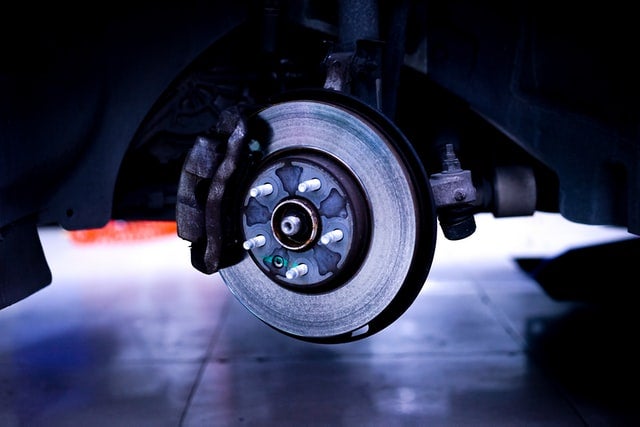
Good, working brakes are one of your Ford's most important safety features. They allow you to control your speed at any time. An accident can happen in a split second, but it can also be prevented by a fast response from your braking system. Over time, parts can wear out, and you'll need a brake repair. As your Ford dealer, we'd like to give some pointers about when you have a brake problem. Chemical Smell From the Brakes When you hit the brake pedal, brake fluid is forced into the brake hoses. This fluid is pressurized and provides the hydraulic force to make your brakes work. Brake fluid needs to be changed regularly according to your car service schedule. If the fluid isn't changed, it can start to develop problems as it ages. One possible problem for brake fluid is overheating. If you've been riding your brakes for a while, the pressurized fluid can grow hot. You'll smell a strange chemical odor from the hot fluid, and this is a sign that you need to pull over ASAP. Once your brakes have cooled, come in and see us. If the brake fluid gets too hot, it can boil. If the fluid boils, your brakes will fail. Soft Brake Pedal The brake pedal responds to pressure by providing resistance. The resistance is caused by pressurized brake fluid in the system. If, however, you step on the pedal and your foot goes almost to the floor, you have a serious problem. The lack of resistance means that your brakes aren't providing hydraulic pressure, and this makes braking difficult. Two possible causes of a soft pedal are an air bubble in the system or a lack of brake fluid. The brake system is a closed one, but air can creep into anywhere in time. An air bubble in the brake hoses will block the flow of brake fluid. A fluid leak will depressurize your braking system, and reduce the hydraulic pressure available to activate your brakes. Visual Inspection Most of your braking system is hidden from view, but you can still see some of the most active parts. If you kneel and look between the wheel spokes, you'll see the flat rotor behind the wheel, the claw-like calipers above the rotor, and the brake pads inside the rotor. The rotor should be smooth and flat, and the brake pads should be more than 1/4" thick. Any signs of visible damage to any of these parts mean you have a real or potential problem. To keep yourself safe, come in and get your brakes checked at Conway Ford today.
Ford

Does Your Ford Need a Transmission Repair?

Your Ford's transmission is an expertly crafted and highly complex piece of engineering. It takes the power of your engine and transfers it to your wheels. This transfer is completed through a series of gears of reducing size that allow your car to move at the desired speed. Although your transmission is strong, it can still suffer damage. When you need a transmission repair, your Ford dealer can help you. Slipping Gears Your Ford moves smoothly between gears due to the decisions of your transmission computer. This computer receives hundreds of pieces of information every second. It uses this information to determine your speed and the gear that needs to be used for that speed. Once the gear is chosen, it should only move when your transmission computer shifts it again. If you slip gears, your gear will suddenly shift to a previous gear without warning. If you have a manual transmission, the gears can shift directly into neutral. When the gears shift randomly, this places you in a dangerous situation. Without control over your gears, you don't have full control over your car. If this happens, we advise contagion our service department immediately so we can investigate the problem. Buzzing, Humming, and Clunking Any odd noise from your car is automatically a reason to worry. Your Ford doesn't normally make any noise aside from the faint sound of a finely-tuned engine. If your transmission has difficulties, it will make sounds that it's in distress. If you have an automatic transmission, you may hear a faint buzzing sound that will get louder over time. If this problem isn't resolved, the noise will change to an annoying humming noise. If you have a manual transmission, you'll hear harsher sounds like clunking coming from the transmission. The sound can be misleading, as manual transmissions make sounds as you shift gears. Clunking noises can also point to other engine problems. Our technicians will need to examine your transmission. Whether your transmission is automatic or manual, we can fix it for you. Burning Rubber Smell Your transmission is full of fluid that circulates throughout the transmission. This fluid serves several important functions. Firstly, the fluid provides hydraulic power to allow your gears to shift easily. Secondly, the fluid provides a friction barrier around the moving parts to protect them from friction damage. Thirdly, transmission fluid helps to cool the transmission. Transmission fluid needs to be changed regularly. In time, the fluid accumulates debris from your transmission, and it doesn't move as fast as it previously did. Old fluid also loses its heat-resistant properties. The old fluid can heat up in the transmission and start to burn. Burning fluid smells like burning rubber. If you smell this odor, it's time to call us right away. Most transmission problems can be relatively inexpensive to fix. The most important thing is to diagnose them ASAP. If you suspect you have a transmission problem, call our service department at Conway Ford.

Contact Us

Fill out this form below and we'll contact you shortly
*Required Fields