
Blog

All Conway Ford Dealer Conway Ford Service Conway SC Ford 2024 Ford Fun Activities Conway Used Cars Things to Do Food 2025 Ford Ford Explorer Ford Expedition Myrtle Beach 2020 Ford 2020 Models 2022 Ford Attractions Ford Trucks 2021 Ford 2023 Ford Ford Bronco Museum Riverwalk 2021 2021 Ford Bronco Ford F-150 Ford Service Ford Accessories Ford Escape Ice Cream Shops 2021 Ford EcoSport 2021 Ford Expedition 2021 Ford Explorer 2021 Ford F-150 2021 Ford Models Bakery Bistro Burger Restaurants Coffee coffee bar Ford Bronco Sport Ford Maverick Ford Mustang Ford Mustang Mach-E Ford Super Duty Golf Courses Seafood 2020 Ford Escape 2021 Ford Escape 2021 Ford F-250 2021 Ford Ranger 2022 Ford Edge 2025 Ford Bronco 2026 Ford Bronco 2026 Ford Bronco in Conway, SC 2026 Ford Bronco Models 2026 Ford F-250 2026 Ford F-250 at Conway Ford 2026 Ford F-250 in Conway, SC 2027 Ford Models Brewhouse Fish Ford Ranger Ford Technology Ford Transit Grill Gyros La Belle Amie Vineyard rustic roast seafood buffet Shrimp Tacos Theatre Vehicle Trade in

Your First Ford: 4 Tips for New Car Buyers

You're one of the lucky first-time car buyers! Before heading to your Ford dealer to pick the model that's right for you from an extensive line-up of Ford cars, take a moment to review the tips below. This will help you own the Ford of your dreams while staying within your budget. 1. Consider Your Budget Your budget is the most important factor when planning to purchase a car. Along with the sticker price, it's essential to take the dealer fees and taxes into account. Your monthly income, credit score, and the Ford model you want are also crucial factors to consider. It's also important to keep in mind that owning a Ford involves more than just the initial purchase price. You must also consider paying for insurance, maintenance, repairs, and gas. 2. Explore Your Loan Choices First, you should check your credit history to help you secure a lower interest rate. Complete the free credit application on our website to determine your credit, get pre-approved, and start the financial processes to assess potential terms and rates. We know that obtaining financing for your first vehicle can be a source of stress, and we strive to simplify the financial process as much as possible. Our finance department is well-connected with local and national lenders, and they can help you explore all your options to find the best car loan that suits your needs. 3. Find Your Dream Model To find the car that suits your lifestyle, it's a good idea to start by making a list of why you need a car and what purposes it will serve. You can then browse our website's new and used Ford models and compare their size, fuel consumption, tech, and safety features. 4. Take a Ford for a Spin The most enjoyable part of the process is getting behind the wheel of a few Ford models and taking them for a spin around the block. If you have narrowed down your list of potential cars, it's a good idea to test-drive them all on the same day. This way, you can compare the performance and features of each model to make a well-informed decision. Test-driving the models you like will help you evaluate how spacious and comfortable a vehicle is and whether it can accommodate your daily needs. There is a lot to consider when buying your first Ford. However, there's no need to stress! Make your first vehicle purchase easy and hassle-free. Call Conway Ford in Conway, SC, today, and our friendly and helpful team of Ford experts will guide you through every step of the purchasing and financial process.

3 of Ford's Best Vehicles for Going Off-Road

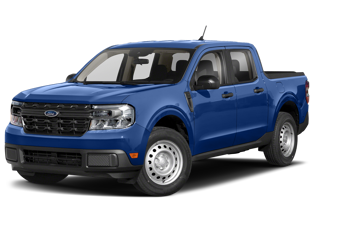
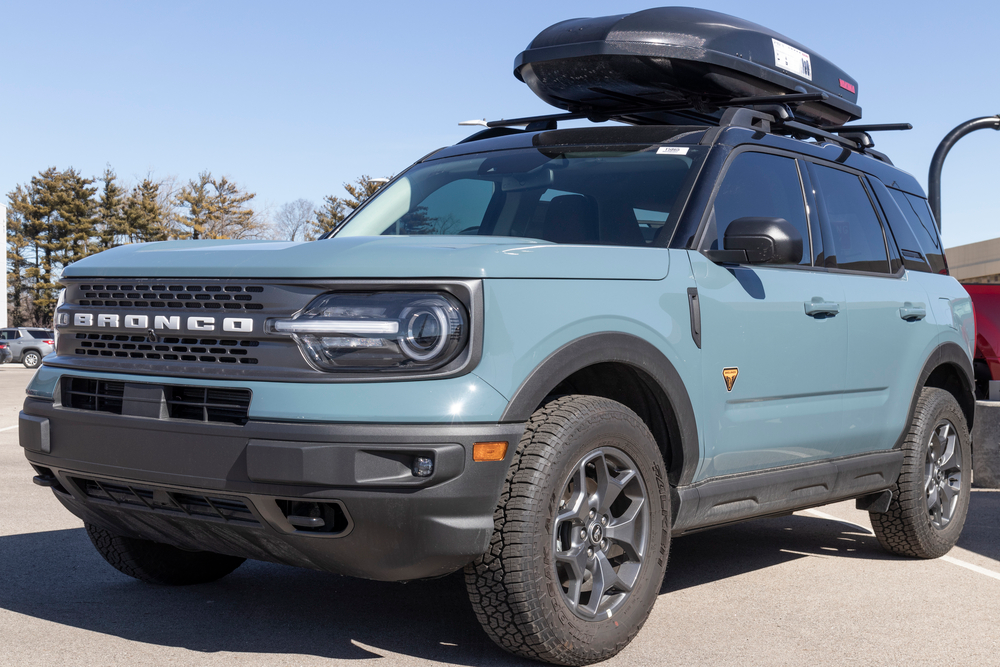
The best off-roading vehicle should have a powerful engine, a robust suspension, and advanced all-wheel drive technology—crucial for excursions into harsh environments. Ford's trucks and SUVs offer all three and more! Let's take a look at a few examples that you can find at your local Ford dealership! 1. 2024 Ford Bronco Renowned for its rugged design and rock-crawling ability, the Bronco is sure to top many off-roading enthusiasts' lists. Its current iteration takes the form of a mid-sized SUV powered by one of three available turbocharged engines: a 300-hp 2.3L inline-4, a 330-hp 2.7L V6, or a 418-hp 3.0L V6. All motors deliver ample torque, ranging from 325 lb-ft to 440 lb-ft, which comes in handy when you need that extra grunt to get out of deep ruts. Power distribution is handled by either a 7-speed manual transmission or a 10-speed automatic. The standard 4x4 system constantly varies torque to ensure maximum grip and is complemented by the highly articulated HOSS (High-Performance, Off-Road, Stability, Suspension) System featuring coil-over springs and a five-link rear suspension. The Bronco also offers a removable hard- or soft-top and removable doors. 2. 2024 Ford Bronco Sport Prefer your ride in a more compact size? The Bronco Sport fits the bill while maintaining impressive performance worthy of the Bronco name. A 181-hp 1.5L turbo inline-3 is standard, but other trims offer a 250-hp 2.0L turbo inline-4 that puts out 277 lb-ft of torque. The standard all-wheel drive system, independent suspension, and multiple GOAT (Goes Over Any Type of Terrain) Modes enable the Bronco Sport to excel in a variety of conditions. Inside the Bronco Sport is a spacious, functional cabin with plenty of standard and available amenities, including electronic automatic temperature control, heated seats, and a wireless charging station. Front and rear legroom is generous at up to 42.4 and 36.9 inches, respectively. Every model is equipped with an 8-inch Sync 3 infotainment touchscreen system offering voice-activated navigation. 3. 2024 Ford Maverick This stylish compact pickup boasts amazing versatility with its durable bed and ability to tow up to 4,000 pounds. Power comes from a standard 250-hp 2.0L turbo inline-4 or the optional 191-hp 2.5L inline-4 hybrid system. All trims are available with all-wheel drive, but if you're planning on tackling extra-tough trails, then you'll want to add the Tremor Off-Road Package, featuring a specially tuned and lifted suspension and steel skid plates. When you're in need of a serious off-road machine, you can trust Ford to deliver! Visit Conway Ford in Conway, SC today, where you can explore these and other great vehicles!

Your_Quick_Guide_to_the_2021_Ford_Expedition_Conway_SC_Conway_Ford

4 Hybrid Options You'll Find at Your Ford Dealership

More people than ever before are choosing hybrid vehicles for the fuel efficiency they provide, and some of the best hybrids on the market can be found right at your local Ford dealership. To help you make the right decision on your next ride, we've provided some information below that will give you a preview of what Ford's hybrid options have to offer. 1. Escape A hybrid powertrain for your Escape will let you cruise around with the unmistakable style this crossover brings to the road and unbeatable fuel economy. The hybrid model of this vehicle boasts an impressive EPA-estimated 42 miles per gallon rating for city driving. Along with the best hybrid engineering the automotive world has to offer, the Escape will also give you first-class safety through the Ford Co-Pilot360 Assist 2.0 suite of technology. The ingenious features included in this year's model include Active Park Assist 2.0, which uses assisted steering and throttle control to make the stress of pulling into or out of a tight space as easy as pushing a button. 2. Explorer Limited Who said that a midsize SUV has to be a gas guzzler? The Explorer Limited is ready to redefine your expectations for this class of vehicle, supplementing its powerful engine with electric power to help you keep your journeys going longer without unnecessary stops at the gas station. You'll enjoy your efficient travels in comfort and luxury when you choose the Explorer Limited. Leather-trimmed seating with micro-perforated inserts and accent stitching bring together form and function in perfect harmony, creating a cabin that looks as good as it feels to ride in. 3. F-150 Ford didn't rest when they made the F-150 America's most popular pickup truck. Instead, they kept making this vehicle better, with improvements such as the hybrid powertrain available for recent models. PowerBoost technology delivers the power you expect from an F-150 in a more efficient, eco-friendly way. Of course, fuel efficiency isn't the only way this truck will impress you. Helpful towing tech like the Smart Hitch system makes taking care of your hauling projects easier than ever before, helping you intelligently distribute the weight throughout your trailer for a smoother ride. 4. Fusion The Fusion is a sedan that has always been known as a great commuter car, and the available hybrid powertrain takes that to the next level. Advanced technology such as regenerative recharging allows you to make the most of the electric power this vehicle delivers to keep your drive going longer. Get a hands-on experience with these great hybrid vehicles and all the other excellent models in our inventory when you visit our dealership. Schedule a test drive at Conway Ford today!

How to Trade In Your Old Car When Buying a New Ford

Trading in an old car when buying a new Ford can be a straightforward process if you know how to approach it. Let's talk about the steps involved to trade in a car at your Ford dealer. Research Your Car's Value Before approaching a dealership, research the market value of your car. Websites like Kelley Blue Book provide estimates based on your car's make, model, year, and condition. This knowledge gives you a benchmark for negotiations. Assess Your Car's Condition Honestly evaluate the condition of your car. Consider factors like mileage, maintenance history, and any cosmetic or mechanical issues. A well-maintained car may fetch a higher trade-in value. Preparing Your Car for Trade-In Clean and Fix Minor Issues First impressions matter, so clean your car inside and out. Small repairs like fixing scratches or replacing windshield wipers can enhance the car's appeal and might increase the final trade-in value. Gather Necessary Documents Have your car's title, service records, and any other relevant documents ready. These records show the dealership that you've maintained the car well, which can positively influence your trade-in value. Choose the Right Dealership Not all dealerships are created equal. Select a dealership with good customer reviews and a reputation for fair trade-in deals, like we have at Conway Ford. And if you don't want to trade, we can still give you the KBB cash value of your vehicle and a fast assessment online. Negotiate and Ask Questions Treat the purchase of the new car and the trade-in of your old car as two separate negotiations. This clarity ensures you get the best deal on both ends. Dealers will offer a trade-in value, so ask questions to understand how they arrived at this figure. If it's significantly lower than your research suggests, don't hesitate to ask why or negotiate further. Finalizing the Deal Once you agree on a trade-in value, this amount can be used as a down payment towards your new Ford. This reduces the amount you need to finance, lowering monthly payments. Review and complete all necessary paperwork. This includes transferring the title and updating registration details for your new vehicle. After finalizing the deal, you'll take delivery of your new Ford. Ensure you get all necessary documents, like the car's manual, service book, and warranty information. Trading in an old car at a Ford dealership can be both efficient and financially beneficial. By doing thorough research, preparing your car, negotiating wisely, and understanding the process, you can ensure a satisfactory trade-in experience. If you're looking ​for a ​fair deal based on the real value of your vehicle, contact us today at Conway Ford.

Standard Warranty

Six Things That Are Covered Under Ford's Standard Warranty

If you want to ensure your car lasts as long as possible, you should learn about the warranty that comes with your new Ford. With your factory vehicle protection plans, you can reduce the cost of vehicle repairs at your Ford dealer. 1. Mechanical and Electrical Components All new Ford vehicles come with bumper-to-bumper coverage for three years or 36,000 miles. Bumper-to-bumper coverage essentially covers all the mechanical and electrical parts of your vehicle that are not covered by other plans. There are only a few exclusions for this plan, such as wear and tear items like windshield wipers and motor oil. 2. Powertrain The powertrain is the heart of your car and coverage for your powertrain will often include specific components of your engine, axles, wheels, and drivetrain. Ford powertrain coverage lasts for five years or 60,000 miles for new vehicles. 3. Diesel Engine Diesel engines have a few particular features that require special coverage. Under this vehicle protection plan, parts of your diesel engine that are covered include direct injection engines, gaskets, seals, sensors, and water pumps. This coverage lasts for five years or 100,000 miles, whichever comes first. 4. Corrosion Corrosion coverage is designed to protect you from the cost of vehicle repairs if the metal panels and aluminum parts of your vehicle's body are damaged by rust or corrosion. This plan lasts for five years with unlimited miles. 5. Safety Restraint The safety restraints in your vehicle, such as seat belts, are also covered by Ford. This particular coverage will last for five years or up to 60,000 miles. Coverage for the safety restraint components of your vehicle is a unique offering from Ford so your vehicle can maintain the highest level of safety possible. 6. Hybrid Components Finally, if you purchase a hybrid Ford, you will also have the benefit of coverage for all hybrid and related components for your vehicle. Specifically, this coverage should protect your hybrid battery, hybrid motor, regenerative braking system, and other components related to the hybrid elements of your vehicle. This coverage will last for eight years or up to 80,000 miles. Should You Talk to Your Ford Dealer About an Extended Vehicle Protection Plan? While the factory coverage for your Ford vehicle is generous, it might be a good idea to consider purchasing extended vehicle protection.  These plans can extend the coverage of your vehicle protection for several more years so you can have continued peace of mind. It's best to wait for your factory coverage to expire before you purchase additional coverage so you can get the most out of your vehicle protection plan. A vehicle protection plan can protect you from the cost of unexpected vehicle repairs. To learn more about your vehicle protection options, call Conway Ford today.

3 Ford Vehicles With Excellent Fuel Efficiency

Over the years, Ford has strived to develop numerous fuel-saving technologies, such as plug-in hybrid powertrains and engine auto start/stop. Along with impressive fuel efficiency ratings, the Dearborn automaker's lineup continues to offer powerful performance and great versatility. Here are a few examples that you can find at your local Ford dealer! 1. 2024 Ford Maverick Thanks to its available 191-hp hybrid powerplant, which consists of an electric motor and a 2.5L inline-4 engine, the Maverick is one of the most efficient compact pickups on the market with an EPA rating of 37 MPG combined. Buyers in need of more muscle may opt for the 250-hp 2.0L turbo inline-4, achieving a highway fuel economy of 29 MPG. While the hybrid features a continuously variable transmission, turbocharged models pair with an 8-speed automatic. All Mavericks can be equipped with an intelligent all-wheel drive system that maximizes grip in tricky conditions. Adding the 4K Tow Package allows the truck to tow up to 4,000 pounds. With roomy seating for five, the Maverick can double as a comfortable family vehicle. A handy storage compartment can be found under the rear seats. 2. 2024 Ford Escape This sleek compact crossover is powered by a turbocharged 1.5L inline-4 that generates 180 hp and 199 lb-ft of torque. The motor pairs with an 8-speed automatic transmission to achieve brisk acceleration and a fuel economy of up to 34 MPG highway. For even more fuel savings, buyers can select the 192-hp 2.5L hybrid or the 210-hp 2.5L plug-in hybrid. The EPA estimates a respective 39 MPG combined and 101 MPGe combined for these engines. Inside the Escape is a cabin sporting a sophisticated design and generous passenger space that includes up to 40.7 inches of rear legroom. Dual-zone automatic climate control, an 8-way power driver's seat, and an 8-inch Sync 4 touchscreen infotainment system featuring wireless smartphone integration and a 4G LTE Wi-Fi hotspot are all standard. 3. 2024 Ford Edge The mid-sized Edge SUV boasts incredible power and efficiency from its standard 2.0L turbo inline-4. In fact, this robust motor can pump out 250 hp and 280 lb-ft while earning up to 28 MPG highway. Even the performance-oriented ST model's 335-hp 2.7L twin-turbocharged V6 keeps fuel costs low with its EPA rating of 25 MPG highway. A fully independent suspension with stabilizer bars results in precise handling and minimal body roll. Passengers in both rows will be able to enjoy over 40 inches of legroom and headroom. The Titanium model offers luxuries like ambient lighting, heating and cooling for the front seats, and plush ActiveX upholstery. 60/40 split-folding seats can be folded down to provide nearly 74 cubic feet of cargo space. When you need excellent gas mileage to go with strong capability, you can't go wrong with a Ford! Visit Conway Ford today, where you can find these vehicles and more!

How Often Should You Replace Your Ford's Spark Plugs?

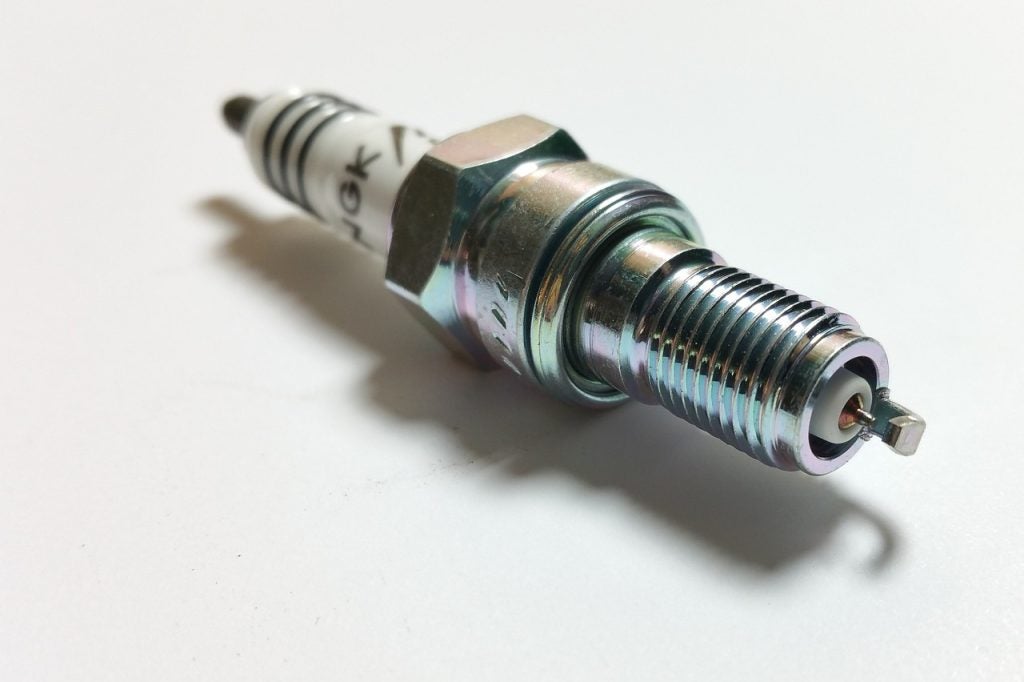
For such a small part, spark plugs play a big role in getting and keeping your car running. By converting the electrical charge into a spark, they perform an essential role in the combustion cycle in your engine's cylinder. But over time they function less effectively, and become coated in carbon, oil, and fuel. Read on for our guide to when you should contact your Ford dealer for a replacement. Mileage It's usage, rather than time, that makes your plugs less effective. So rather than using months to measure the interval between replacements, aim to use miles. Technological advancements mean that their lifespan has lengthened, and they can last for about 100,000 miles. However, "severe" use may mean that you need to have them replaced after 60,000 miles. Usage "Severe" usage that shortens the lifespan of your plugs includes: Driving on hilly or rough roads Extremely cold or hot temperatures Towing heavy loads Long periods where the engine is idling. If you know that your car frequently drives in conditions that put the plugs under pressure, and you stay alert to your mileage since their last change, you'll have a rough idea of when they might begin to undermine your car's overall performance. Starting Problems Struggling plugs can put a strain on other engine components, so staying alert to any sign of problems is better for the overall health of your car. One of these might be that your engine "coughs" at ignition, and tries to fire without starting. It may take a few attempts before it starts running. If you notice this happening, it could be time to look into a replacement. Running Problems A reliable spark from the plug is also necessary to keep the combustion cycle running smoothly. One tell-tale sign of trouble is juddering, vibrating, or louder noises when the car is stationery and the engine is idling. Plug problems can also cause engine misfires when driving. You might feel as though the engine misses a beat during the drive, or notice shuddering and small popping noises. Another symptom is poor fuel economy. Misfiring plugs allow unburnt fuel to escape into the exhaust system and go to waste, and they make your emissions more harmful to the environment. If you notice that you're spending more at the gas pump, or that your mileage per gallon is dropping, it could be time to get the spark back. Misfires and hard starts will put pressure on other engine parts and undermine their performance, so it's important to tackle plug problems straight away. But the good news is that they're an inexpensive and relatively easy fix. But whatever your maintenance needs, be sure to schedule an appointment at Conway Ford and allow our expert team to keep your vehicle running perfectly.

3 Tech Features You'll Find on Today's Ford Vehicles

Ford cars have a lot of impressive technology in them these days. These tech features are a mixture of entertainment features and helpful functions that make driving safer than it's ever been before. When you head to your Ford dealer, be sure to ask the salespeople about these features. 1. Vast Safety Suite Ford cars have a safety suite called Ford Co-Pilot360. The driver assistance features are designed to make driving feel safer and a little more convenient. Convenience-wise, you'll get to enjoy the adaptive cruise control feature where your car adjusts your speed to stay a certain distance from the car ahead of you. You just need to keep your hands on the wheel and stay attentive while your car does some of the work. Safety-wise, pre-collision assist automatically applies the brakes if you don't respond in time to a potential collision. If you accidentally drift too close to the next lane, then the lane-keeping system will apply corrective steering if you don't respond to its warnings. A blind spot information system makes it a lot easier for you to see what's going on in every blind spot. There's also a rear vision camera you can use when needed. 2. SYNC 4A or SYNC 3 The SYNC 4A infotainment system has a whole lot of different functions you'll probably use every day. You can wirelessly connect it to your smartphone and make calls or send texts through the car's infotainment system. You can also access several common smartphone apps on the large infotainment screen. The system can also show you your owner's manual, let you use the FordPass app, listen to a variety of radio stations and music streaming services, and provide you with navigation to safely get you to new destinations. Some Ford cars use the slightly older SYNC 3 technology, and SYNC 3 also has all of these features. SYNC 3 will last for many years to come, and SYNC 4A receives continuous updates that improve its performance over time. 3. WiFi and Wire-Free Charging Many Ford cars have an available Wi-Fi hotspot and an available wireless charging pad to help you stay powered up and connected to the internet wherever you go. Your whole family is sure to enjoy these functions and find them extremely useful, especially on long trips. There are USB ports in the car that you can use if your phone can't be charged wirelessly. You can also use these ports to plug in a USB stick loaded with your favorite music. Did these features impress you? You'll like them even more in person. Come and take a new, tech-filled Ford out for a test drive at Conway Ford.

4_Favorite_Features_of_the_2021_Ford_F-250_Conway_SC_Conway_Ford

What's Included in Ford's Extended Warranty?

The factory warranty for your new Ford will generally last three years or 36,000 miles for bumper-to-bumper coverage, while powertrain coverage can last for six years or 60,000 miles. When your new car warranty expires, you may want to purchase an extended warranty from your Ford dealer. A Ford Extended Service Plan can add another ten years, or 175,000 miles, to your vehicle's protection. What's Included in Ford's Extended Warranty? Ford offers four extended service contracts. The most popular tier is the PremiumCARE plan, which covers over 1,000 vehicle components. Some of the key systems included in this warranty plan are the transmission, steering, engine, brakes, suspension, electrical, audio, safety, and drivetrain. This warranty plan even covers high-tech components of your vehicle, such as your keyless entry system, reverse camera, and rain-sensing wipers. The next-highest level is ExtraCARE, which covers 113 essential vehicle components that affect the function and performance of your Ford, which include the A/C, heating, and powertrain. The BaseCARE plan covers 84 essential parts, such as most of your powertrain, steering, and electrical systems. The PowertrainCARE plan only protects 29 critical components of your transmission and engine. What Are Warranty Benefits at Your Ford Dealer? When you have an extended service plan from Ford, you will be able to enjoy several benefits. You can find one of the biggest benefits at your local dealership. Your extended service plan will cover vehicle repairs completed with genuine Ford parts and performed by certified Ford technicians. Not only does this guarantee the quality of your repair, but it can also save you significant money. With an extended service plan, you will have zero out-of-pocket expenses for covered repairs. The only thing you will need to pay is the deductible, which can be tailored to meet your budget. If you need assistance paying for a repair, you can speak with your dealership about interest-free financing for your vehicle repairs with financing plans that last for as long as 30 months. A financing plan may be necessary if your car needs extensive repairs. Other Benefits If your vehicle repairs will take longer than a day, your Ford extended service contract will give you up to 10 days of car rental reimbursement or other rental benefits. Under your warranty plan, you will also be able to call for 24-hour roadside assistance. Roadside assistance benefits can include towing assistance, jump-starts, or even fuel delivery. Your vehicle can be towed to the nearest certified dealership. Whether it's financial flexibility or peace of mind, an extended service contract from Ford is extremely beneficial for car owners. You can choose the level of coverage and the deductible amount you are most comfortable with. To discuss your extended coverage options, contact Conway Ford today.

What's the Difference Between Buying and Leasing a New Ford?

When it's time to get behind the wheel of a new Ford, you're faced with a big decision: should you buy or lease? Both options have their perks and drawbacks, and understanding the difference between the two can help you make an informed decision that suits your lifestyle and financial situation when you head to the Ford dealer. Buying a Ford: Owning the Road Upfront Costs When you buy a Ford, you typically make a down payment, pay the sales taxes in cash or roll them into your loan, and cover any associated fees. The amount you will need for a down payment usually depends on your loan terms and credit score. Monthly Payments Loan payments are usually higher than lease payments because you're paying off the entire purchase price of the vehicle, plus interest and finance charges, over the term of the loan. Ownership and Equity Once you've paid off your loan, the Ford is all yours. Owning your car means you can keep it as long as you want, and if you decide to sell, you'll benefit from any equity you have in the vehicle. Customization and No Mileage Restrictions Buying means the car is yours to modify as you please. Plus, there are no mileage restrictions, so you can take that cross-country road trip without worrying about extra fees. Maintenance and Depreciation You're responsible for all maintenance costs once the warranty on your car expires. Also, remember that new cars depreciate quickly, and most of the depreciation happens in the first few years. Leasing a Ford: Flexibility and Freshness Upfront Costs Leasing a Ford typically comes with lower upfront costs. You might have to pay the first month's lease payment, a refundable security deposit, an acquisition fee, and other taxes and fees. Monthly Payments Lease payments are generally lower than loan payments because you're only paying for the vehicle's depreciation during the lease term, plus interest charges, taxes, and fees. Mileage Limits and Condition Requirements Leases come with mileage limits, typically between 10,000 and 15,000 miles per year. Exceeding these limits can result in hefty fees. You'll also need to keep the car in good condition, as any significant wear and tear might incur charges. Should You Buy or Lease at the Ford Dealer? Ultimately, the decision between owning or leasing comes down to your personal preferences, driving habits, and financial situation. Whichever route you choose, you'll be cruising in a Ford, and that's something to be excited about. If it's time for you to get behind the wheel of a new car, do your research and decide which path is best for you. Once you do, a trip to the dealership is all it takes to find the perfect car. Visit Conway Ford to browse our extensive inventory.

Get_to_Know_the_New_2021_Ford_Bronco_Conway_SC_Conway_Ford

New or Used? 5 Things to Consider When Buying Your Next Ford

When it's time to buy a car, one of the first decisions you'll need to make is whether to go for a brand-new model or opt for a pre-owned vehicle. Can't decide between new or used cars at the Ford dealership? Here are some essential things to consider. 1. Depreciation The moment a new car drives off the lot, it begins to depreciate. You can expect a significant drop in value within the first year. A used car, on the other hand, has already gone through its initial depreciation, which means it should hold its value better. Plus, used cars are cheaper. You might be able to purchase a car with a higher trim level for the same price as a base model new car. 2. Budget Constraints Your budget is one of the most important factors in your decision. A new car will generally cost more, but Ford often offers financing deals, rebates, or incentives that could make a new vehicle more affordable. On the other hand, a used Ford will have a lower purchase price, which could help you avoid taking out a large loan or paying hefty monthly installments. 3. Warranty and Peace of Mind New Fords come with a manufacturer's warranty, covering you or any defects or issues for an extended period. With a used Ford, the original warranty might have expired by the time you purchase it. However, certified pre-owned (CPO) Fords come with extended warranties that can offer a compromise between new-car assurance and used-car savings. 4. Insurance Costs Insurance premiums for new cars are typically higher since they have a higher value and, therefore, would cost more to replace in the event of an accident. Used cars can often be cheaper to insure, but you'll need to get a quote from your insurance company to see how much you can save. 5. Technology and Features If you're someone who loves the latest tech and newest features, a new Ford will be equipped with the most up-to-date advancements in safety, efficiency, and connectivity. Used cars might lack some modern bells and whistles, so you should consider which features are the most important to you. Visit Your Ford Dealership to Learn More If you're still not convinced, a visit to the local dealership might be able to help you decide. Browsing the inventory of new and used cars that are available can be one way to choose the car that is right for you. When weighing the pros and cons, remember that there's no one-size-fits-all answer. Whichever route you choose, take your time to research, test drive, and ensure that your next Ford fits both your lifestyle and your budget. Visit Conway Ford and browse our inventory today!

How Often Should Your Ford Get an Oil Change?

Oil keeps your Ford running smoothly by lubricating the engine and reducing friction and wear. For your engine to work optimally, you should get a regular oil change at your Ford dealer. But what's the right frequency for this service? Let's discuss how often you should change your Ford's engine oil at the dealership. For slightly older Ford vehicles, drivers need to change the oil every 5,000 to 7,500 miles or as recommended in the owner's manual. Modern Ford cars have an Intelligent Oil-Life Monitor (IOLM) that calculates the right intervals for getting new oil. The monitor assesses how the vehicle is driven, engine temperature, RPM, mileage, and idle time to determine an optimal service interval. Whether you have an older or newer Ford model, you shouldn't always wait for the recommended service interval to lapse. Watch out for other signs that indicate you may be due for an oil service. How to Tell You're Due for Fresh Engine Oil Grainy or Lumpy Oil Over time, contaminants from combustion and friction accumulate in the oil and give it a gritty or lumpy texture. The oil also changes color and becomes darker. In this state, the oil loses its ability to properly coat and lubricate the engine components. You should drain and refill the oil to remove the built-up debris and restore proper engine lubrication. Low Oil Level It's normal for some oil to burn off during engine operation, causing the level to drop slightly. If the oil level falls below the minimum mark on the dipstick, it means it is being consumed too quickly due to a leak or other engine issues. Visit your dealer for an oil service, so the technicians can change the oil and inspect the system for leaks. Unusual Engine Noises Contaminated oil allows the metal components in the engine to grind against each other. This causes unusual noises in the engine, like squeaking, rattling, and knocking. If you hear these sounds, drain the old oil and refill the system to provide proper lubrication and prevent excess friction. Should You Top Up or Change Engine Oil? Note that topping up engine oil isn't the same as changing it. While topping up oil may seem easy and effective, it just dilutes the old, dirty oil instead of cleaning out the contaminants. Over time, top-ups allow abrasive particles and contaminants to accumulate to dangerous levels. Changing your oil at regular intervals is recommended because it involves draining out the old oil completely. This leaves the system free of contaminants and debris. After the service, you drive off with 100% clean, fresh oil, which optimizes engine health and improves performance. To keep your Ford running at peak performance, be diligent about changing the oil regularly as needed. Contact Conway Ford to schedule a comprehensive oil service for your vehicle.

Contact Us

Fill out this form below and we'll contact you shortly
*Required Fields